1. 서론: 세계의 화약고, 호르무즈 해협이 닫혔다
최근 이란과 이스라엘의 충돌로 인해 전 세계 에너지 공급의 동맥인 호르무즈 해협에 긴장감이 최고조에 달하고 있습니다. 전 세계 해상 원유 운송량의 약 20%가 통과하는 이곳이 봉쇄될 위기에 처하자, 각국은 생존을 위한 '각자도생'의 외교전에 돌입했습니다.
흥미로운 점은 대표적인 친미 국가로 분류되는 필리핀이 최근 이란으로부터 해협 통과를 보장받았다는 소식입니다. 미국과의 동맹을 중시하면서도 이란과 협상에 성공한 비결은 무엇일까요?
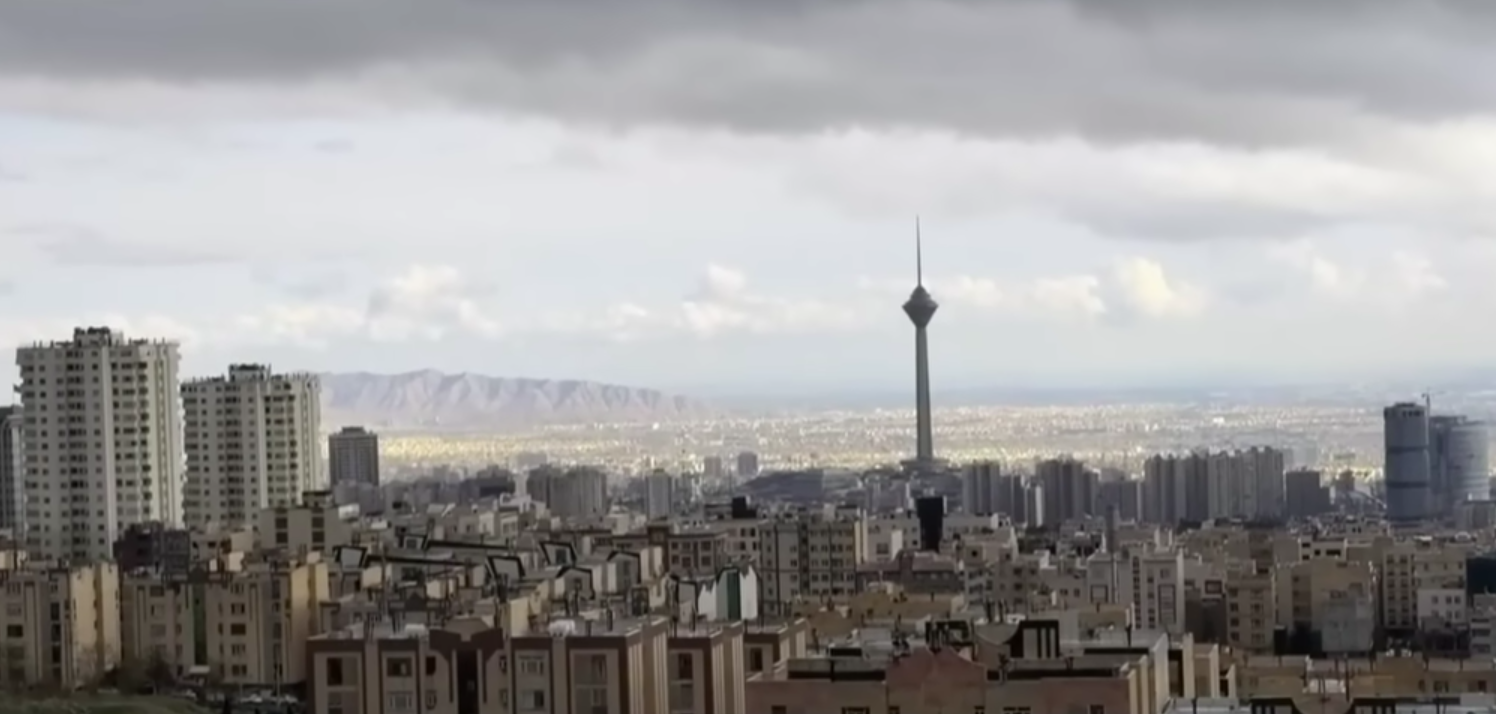
2. 필리핀이 이란으로부터 '통과 승인'을 받은 배경과 이유
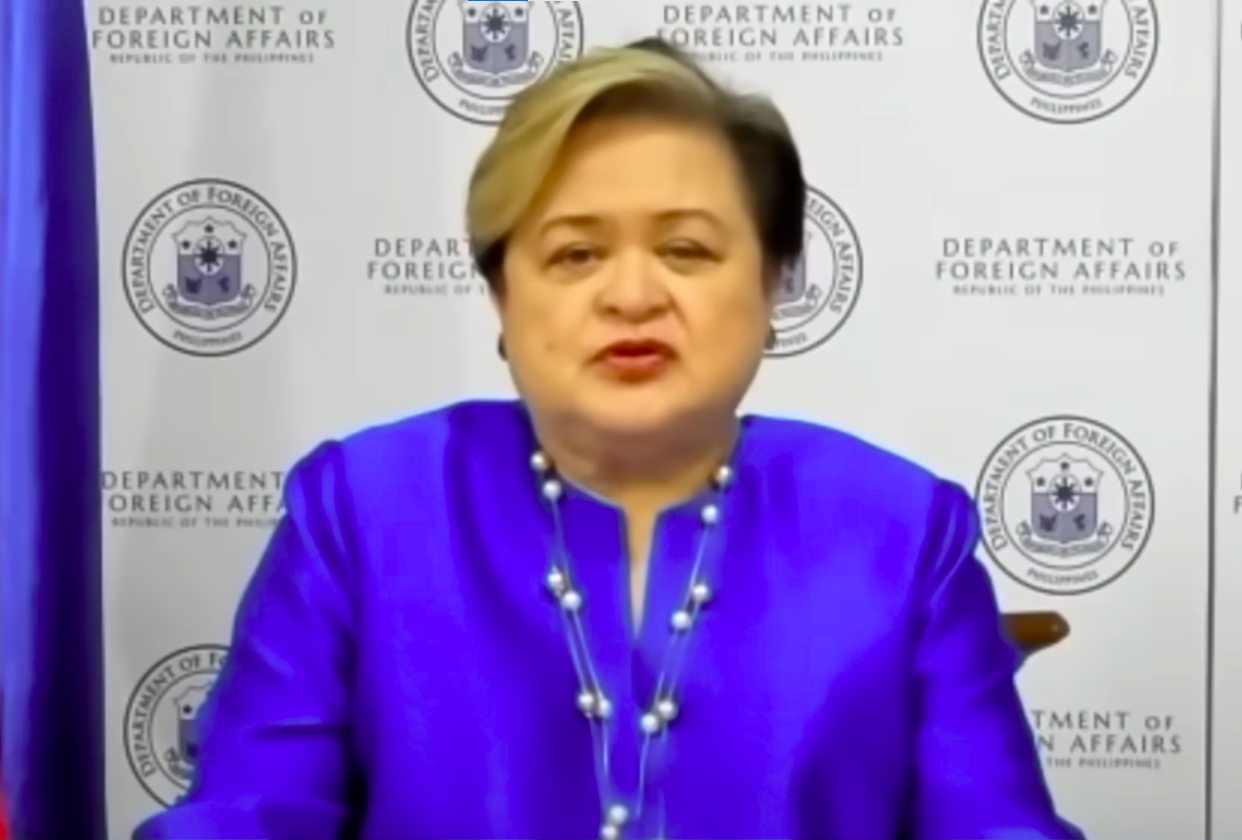
유튜브 영상([YTN 자막뉴스])에 따르면, 필리핀 정부는 이란으로부터 호르무즈 해협의 안전한 통과를 보장받았다고 공식 발표하며, 이란의 **'협력 정신'**에 감사를 표했습니다.
① 실용주의 외교의 승리
필리핀뿐만 아니라 태국, 파키스탄, 말레이시아 등 동남아 국가들은 미국 주도의 대이란 압박에 동참하면서도, 자국의 에너지 안보를 위해 이란과 별도의 물밑 협상을 진행했습니다. 말레이시아의 경우 유조선 7척의 통과 허가는 물론 통행료 면제 혜택까지 받은 것으로 알려졌습니다.
② 이란의 전략적 선택
이란 입장에서 모든 국가의 선박을 막는 것은 국제적 고립을 자초하는 일입니다. 따라서 동남아 국가들과 같은 중립적 성향이거나 실용 노선을 걷는 국가들에게 통행권을 부여함으로써, **"미국과 이스라엘에 협조하는 국가만 타겟"**이라는 메시지를 명확히 하고 국제 여론을 분열시키려는 의도가 깔려 있습니다.
3. 글로벌 대응 현황: 러시아산 원유로 눈 돌리는 국가들
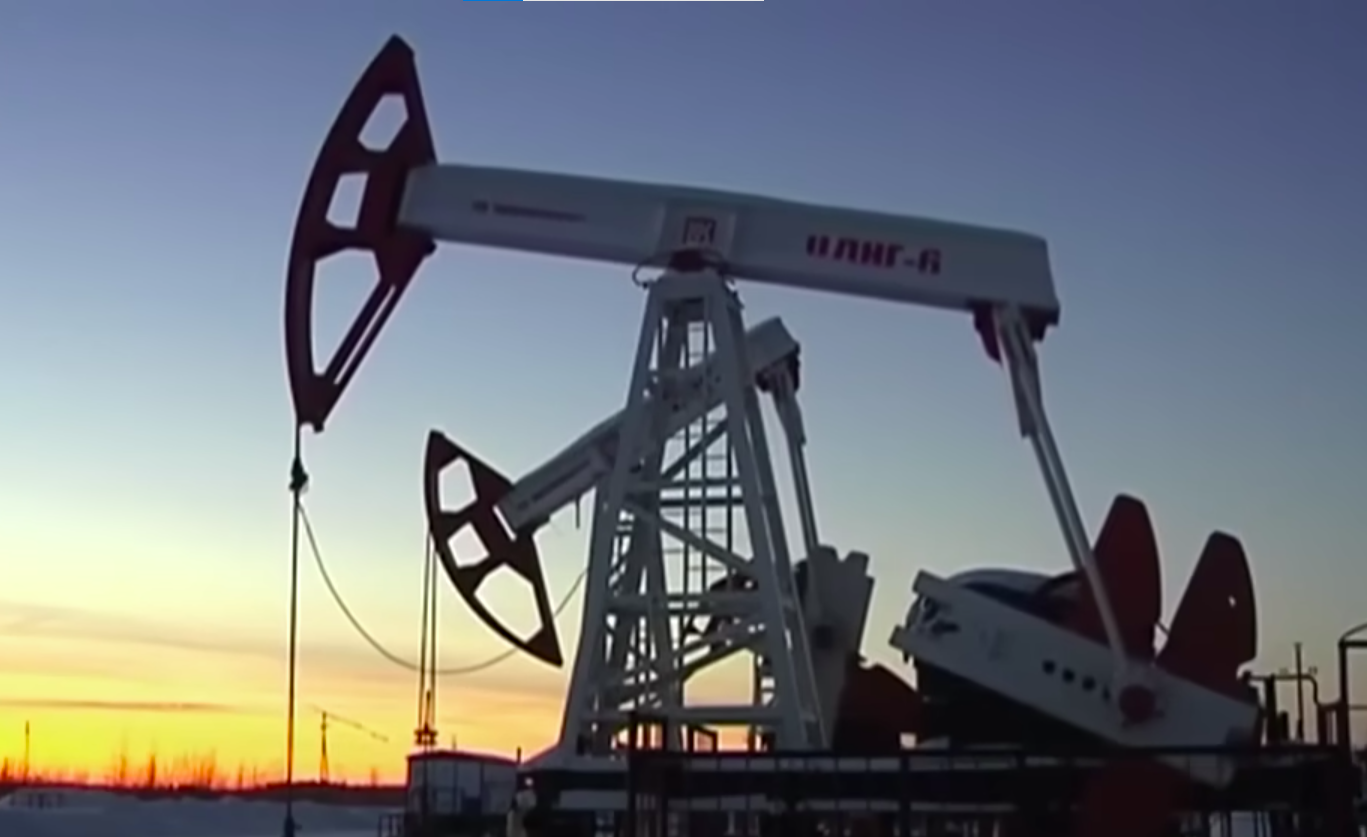
호르무즈 해협 통과가 어려워지자, 많은 국가가 대안으로 러시아산 원유에 집중하고 있습니다.
- 동남아시아: 대부분의 국가가 이미 러시아산 원유 구매 계약을 맺었거나 협상 중입니다.
- 일본: 전통적인 미방 동맹국인 일본조차 다음 달 5대 종합상사 관계자들로 구성된 사절단을 러시아에 파견할 계획입니다. 이는 미국의 제재보다 자국의 에너지 수급이 급선무라는 판단 때문입니다.
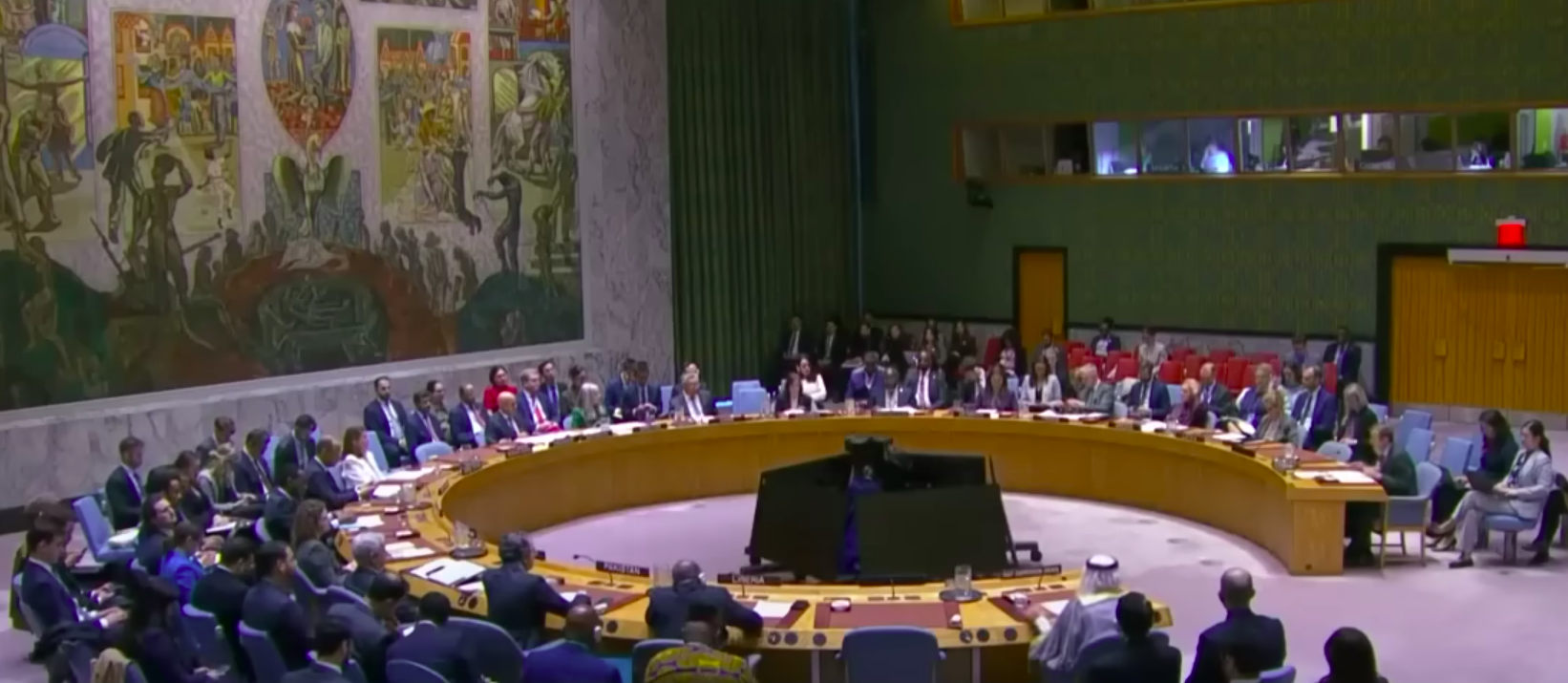
- 국제 사회의 분열: 미국을 제외한 40여 개국 외무장관들이 화상회의를 통해 이란을 규탄했지만, 정작 군사적 개입에는 선을 긋고 있어 외교적 해결이 쉽지 않은 상황입니다.
4. 대한민국의 호르무즈 사태 대응 현황 및 과제
우리나라는 원유 수입의 70% 이상을 중동에 의존하고 있어, 호르무즈 해협 봉쇄는 국가 경제에 치명적입니다.

① 현재 대처 현황
- 에너지 수급 모니터링: 정부는 비상 대책반을 가동하여 일일 원유 수급 현황을 체크하고 있습니다.
- 비축유 방출 준비: 유사시를 대비해 정부 비축유(약 9천만 배럴 이상)를 방출할 준비를 마친 상태입니다.
- 항로 우회 검토: 호르무즈 해협을 우회하여 육상 파이프라인(사우디, UAE 등)을 이용하는 방안을 정유사들과 협의 중입니다.
② 앞으로의 전망과 한계
한국은 필리핀처럼 독자적인 대이란 협상을 진행하기엔 미국과의 관계가 너무나 밀접합니다. 또한, 이란 입장에서는 한국을 미국의 핵심 동맹국으로 간주하여 필리핀만큼의 우호적인 조건을 제시하지 않을 가능성이 큽니다.
5. 결론: 한국의 생존 전략 및 해결 방안
이번 사태는 우리에게 에너지 안보의 다변화라는 숙제를 다시 한번 던져주었습니다.
- 에너지 수입선 다변화: 중동 의존도를 낮추고 미국, 브라질, 카자흐스탄 등 비중남미/비중동 지역의 원유 수입 비중을 전략적으로 늘려야 합니다.
- 민관 합동 '에너지 외교' 강화: 필리핀의 사례처럼, 정부뿐만 아니라 민간 기업(정유사 등) 차원의 채널을 활용해 이란 및 주변국과 비공식적인 소통 창구를 유지해야 합니다.
- 대체 에너지 전환 가속화: 근본적으로는 화석 연료 의존도를 낮추기 위한 재생 에너지 및 원자력 에너지 비중 확대가 필수적입니다.
호르무즈 해협의 긴장은 당분간 지속될 전망입니다. 유가 폭등으로 인한 민생 타격을 최소화하기 위해 정부의 기민한 대응과 국민들의 에너지 절약 정신이 어느 때보다 필요한 시점입니다.
[Blog Post Title]
The Strait of Hormuz Crisis: Why Pro-US Philippines Secured Iran's Passage Approval While Global Oil Prices Surge
1. Introduction: The Global Chokepoint Under Siege
The recent escalation of the Iran-Israel conflict has placed the Strait of Hormuz—the world’s most important energy artery—at the center of a global crisis. With approximately 20% of the world's maritime oil trade passing through this narrow waterway, any threat of closure sends shockwaves through the global economy.
In a surprising turn of diplomatic events, the Philippines, a staunch ally of the United States, recently announced that it secured a guarantee from Iran for the safe passage of its vessels. How did Manila navigate this geopolitical minefield, and what does this mean for the rest of the world?
2. How the Philippines Secured Iran's "Golden Ticket"
According to recent reports (including analysis from [YTN News]), the Philippine government expressed gratitude for Iran's "spirit of cooperation" after receiving formal assurances for its ships.
① The Triumph of Pragmatic Diplomacy
The Philippines, along with Thailand, Pakistan, and Malaysia, has adopted a "dual-track" foreign policy. While maintaining security ties with the West, these Southeast Asian nations engaged in direct, independent negotiations with Tehran to safeguard their energy security. Malaysia, for instance, not only secured passage for seven tankers but also reportedly received exemptions from transit fees.
② Iran’s Strategic Division Strategy
Tehran’s decision to grant passage to specific nations is a calculated move. By allowing Southeast Asian vessels to pass while restricting others, Iran sends a clear message: "We only target those actively aiding the U.S. and Israel." This strategy aims to fracture international consensus and weaken the effectiveness of U.S.-led sanctions.
3. Global Shift: Turning to Russian Oil
As the Strait of Hormuz becomes a high-risk zone, many nations are pivoting toward Russian crude oil as a desperate alternative.
- Southeast Asia: Most countries in the region have already signed or are negotiating new purchase agreements with Russia.
- Japan: Despite its G7 status, Japan is reportedly sending a high-level economic mission, including major trading houses, to Russia next month to secure energy supplies.
- International Discord: While over 40 foreign ministers held emergency talks to condemn Iran, most have explicitly ruled out military intervention, preferring economic and diplomatic pressure which has so far yielded limited results.
4. South Korea’s Current Status and Future Outlook
For South Korea, which relies on the Middle East for over 70% of its crude oil imports, the Hormuz crisis is an existential threat.
① Current Countermeasures
- Emergency Monitoring: The Korean government has activated a 24/7 energy task force to track supply levels in real-time.
- Strategic Reserves: Plans are in place to release the national oil reserve (exceeding 90 million barrels) if commercial supplies are cut.
- Alternative Routes: Discussions are underway with refiners to utilize inland pipelines through Saudi Arabia or the UAE, bypassing the Strait entirely.
② The Dilemma for Seoul
Unlike the Philippines, South Korea’s security alliance with the U.S. is deeply integrated, making independent negotiations with Iran politically "expensive." Tehran views Seoul as a key Western partner, meaning South Korea is unlikely to receive the same "friendly" exemptions granted to Manila without significant diplomatic concessions.
5. Solutions and Survival Strategies
The current crisis underscores the urgent need for energy diversification.
- Diversifying Import Sources: South Korea must aggressively increase its intake from non-Middle Eastern regions like the U.S., Brazil, and Kazakhstan.
- Strengthening "Energy Diplomacy": Following the Philippine model, Korea should utilize "Track 2" diplomacy (private sector channels) to maintain unofficial communication lines with Iran and neighboring states.
- Accelerating Energy Transition: The only long-term solution is reducing fossil fuel dependency by increasing the share of nuclear and renewable energy.
'방금 들어온 소식' 카테고리의 다른 글
| 앙헬레스 워킹스트리트 맛집 추천: 24시간 피자 & 샌드위치 'Pizza Slices & More' 가격 및 메뉴 총정리 (0) | 2026.04.05 |
|---|---|
| 2026 민생지원금 신청방법 총정리: 이란 전쟁 유가폭등 대응, 1인당 최대 60만원 지급시기 및 대상 (필리핀 사례 비교) (0) | 2026.04.03 |
| 앙헬레스 헨손빌 맛집 추천: 조이 삼겹살(Joy Samgyeopsal) 무제한 가성비 끝판왕 방문 후기 (0) | 2026.04.02 |
| 2026 이란 전쟁 사태와 환율 쇼크: 원화 1,500원 시대, 필리핀 페소 전망과 대응 전략 총정리 (0) | 2026.03.31 |
| 필리핀을 홀린 '왕과 사는 남자': 2026년 필리핀 영화 시장 박스오피스와 K-무비의 위상 (2) | 2026.03.30 |


