최근 전 세계의 이목이 집중되었던 중동의 전운이 미국과 이란 간의 '2주간 한시적 휴전' 합의로 잠시 소강상태에 접어들었습니다. 중동 의존도가 높은 필리핀 입장에서는 천만다행인 소식이지만, 이는 근본적인 해결이 아닌 '폭풍전야'의 고요와 같습니다.
오늘 포스팅에서는 현재 필리핀의 유류 수급 상황을 긴급 점검하고, 앞으로 남은 골든타임 2주 동안 필리핀 정부와 기업이 취해야 할 조치, 그리고 향후 전망에 대해 심층 분석해 보겠습니다.

1. 현재 필리핀의 유류 수급 상황 점검
필리핀은 원유 수입의 상당 부분을 중동에 의존하고 있는 구조적 취약성을 안고 있습니다. 이번 휴전 소식에 따라 시장은 잠시 안정을 찾았으나, 내부적인 지표는 여전히 경고등이 켜진 상태입니다.
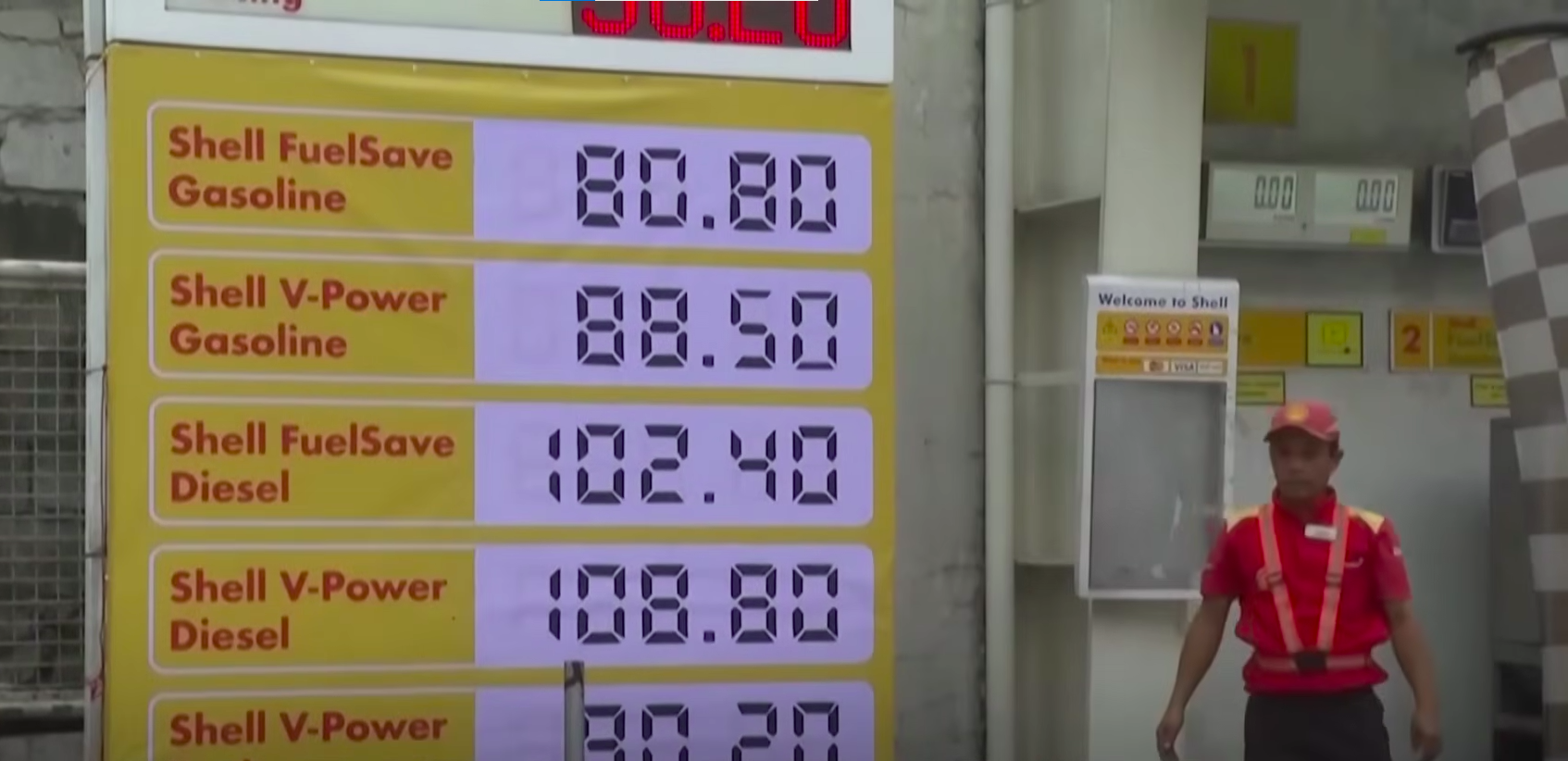
- 가격 변동성: 휴전 발표 직후 국제 유가가 소폭 하락했으나, 필리핀 국내 주유소 가격(Fuel Pump Price)은 여전히 고공행진 중입니다. 이는 수입 시점과 유통 단계의 시차 때문이며, 소비자 체감 물가는 여전히 높습니다.
- 재고 수준: 현재 필리핀 에너지부(DOE)의 보고에 따르면, 전략적 비축유는 약 30일에서 45일 분량을 유지하고 있습니다. 하지만 전면전 발생 시 호르무즈 해협이 봉쇄될 경우, 이 비축분은 순식간에 고갈될 위험이 있습니다.
- 물류망의 불안: 홍해와 주변 해역의 지정학적 리스크로 인해 운송 보험료와 물류 비용이 상승하면서, 유류 수급 자체보다 '비용의 압박'이 필리핀 경제를 옥죄고 있습니다.

2. '골든타임 2주', 필리핀 정부가 취해야 할 긴급 조치
2주라는 시간은 짧지만, 위기를 대비하기에는 결코 작지 않은 시간입니다. 필리핀 정부는 다음의 조치를 즉각 실행해야 합니다.
① 전략적 비축유(SPR)의 조기 확보 및 다변화
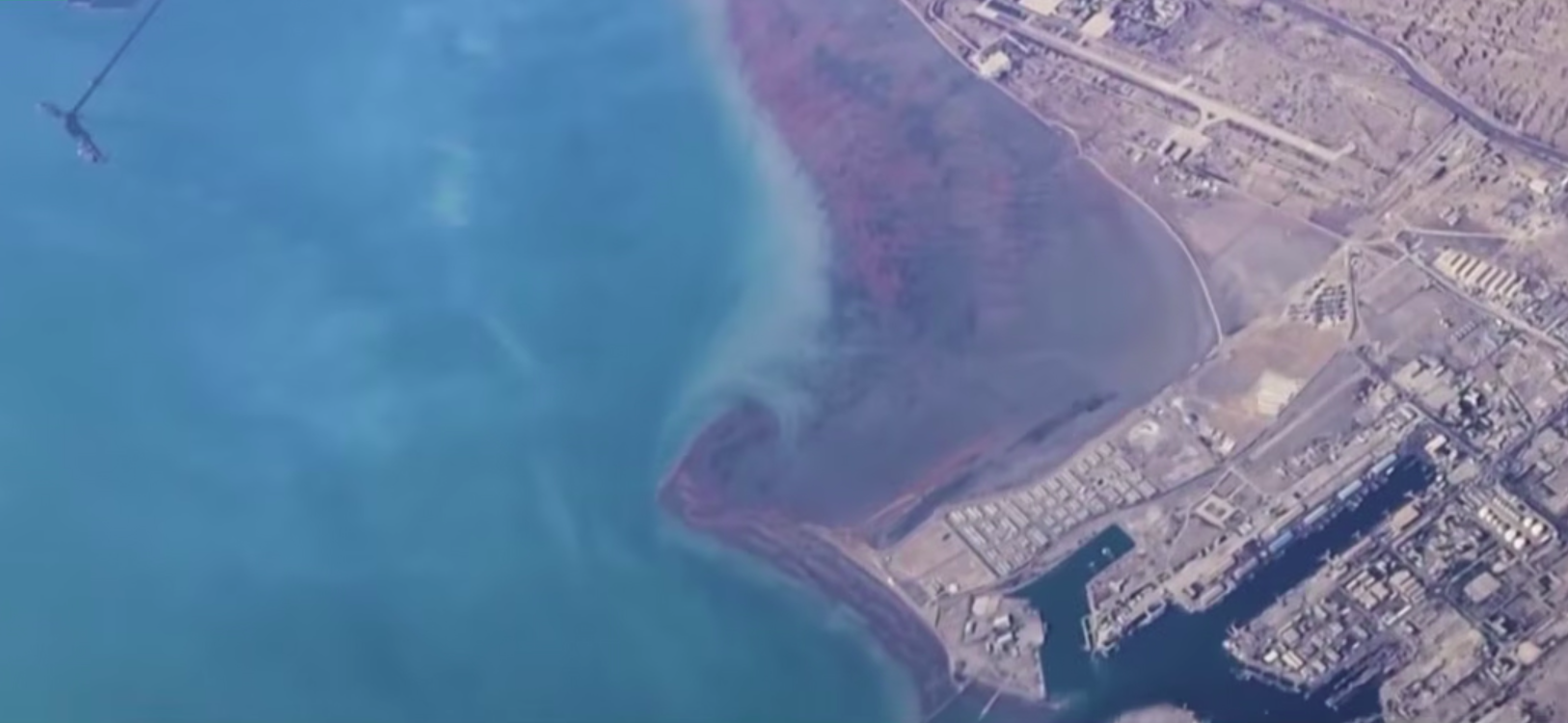
중동 이외의 지역(동남아 인접국 및 미주 지역)으로부터 유류 수입선을 긴급히 타진해야 합니다. 2주 이내에 대체 수입 계약의 가이드라인을 확정하여 중동발 공급 중단 시나리오에 대비해야 합니다.
② 대중교통 보조금(Fuel Subsidy) 집행 가속화
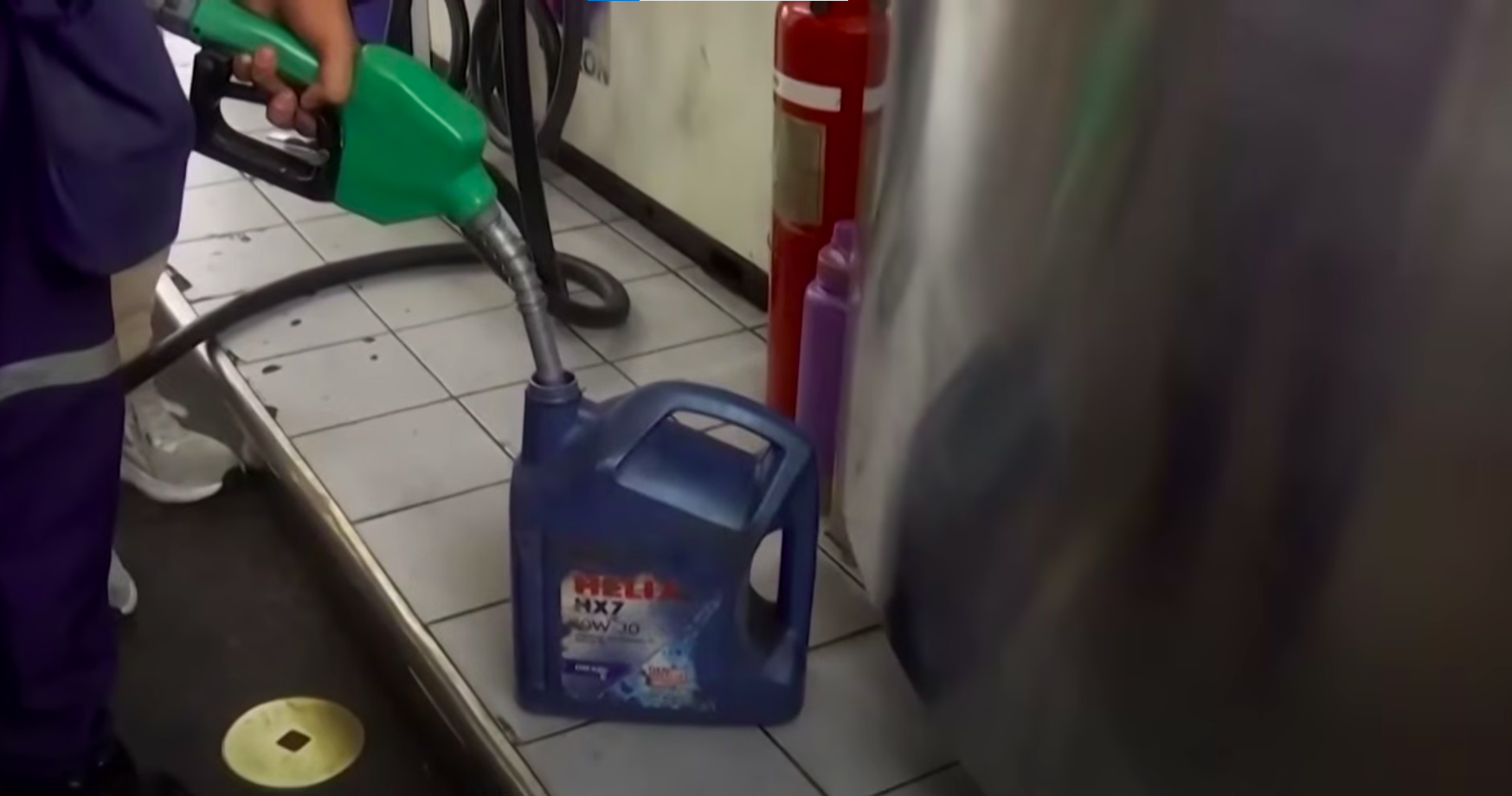
유가 상승으로 직격탄을 맞는 지프니(Jeepney) 및 트라이시클 운전사들을 위한 보조금을 즉각 집행하여 물류대란과 사회적 혼란을 미연에 방지해야 합니다.
③ 에너지 절약 캠페인 및 공공부문 강제 절감
정부 기관부터 선제적으로 에너지 소비를 10~20% 감축하는 '에너지 비상 체제'를 가동해야 합니다. 이는 국민들에게 위기의식을 공유하고 실질적인 수요 억제 효과를 가져옵니다.
3. 향후 전망 및 중장기 대책: "에너지 독립이 정답"
2주 후 휴전이 연장되지 않고 갈등이 재점화될 경우, 필리핀은 상상 이상의 경제적 타격을 입을 수 있습니다. 따라서 다음과 같은 장기 로드맵이 필요합니다.
■ 재생 에너지 전환 가속화 (Renewable Energy Expansion)
태양광, 풍력, 지열 등 필리핀이 가진 천연자원을 활용한 에너지 자립도를 높여야 합니다. 원유 가격에 휘둘리지 않는 전력망 구축이 국가 안보의 핵심입니다.
■ 원자력 발전 재도입 검토
최근 마르코스 정부에서 추진 중인 바탄 원전 재가동 및 소형 모듈 원자로(SMR) 도입 논의를 더욱 구체화해야 합니다. 기저 부하 전력을 안정적으로 공급할 수 있는 대안이 필수적입니다.
■ 유류세 한시적 인하 방안 검토
초고유가 사태가 지속될 경우, 인플레이션 억제를 위해 부가가치세(VAT)나 유류세(Excise Tax)를 한시적으로 유예하거나 인하하는 법안을 의회와 긴밀히 협의해야 합니다.
4. 전문가의 시선: 필리핀 경제에 미칠 영향
중동발 유가 급등은 필리핀의 소비자물가지수(CPI)를 직접적으로 끌어올립니다. 이는 금리 인상 압박으로 이어져 가계 소비를 위축시키고 건설 및 제조 산업의 둔화를 초래할 수 있습니다.
하지만 이번 '2주간의 휴전'을 기회 삼아 에너지 공급망을 재점검하고 디지털 물류 시스템을 강화한다면, 오히려 체질 개선의 기회가 될 수도 있습니다.
결론: 준비된 자만이 위기를 넘는다
필리핀에게 주어진 2주는 단순한 휴식이 아니라 '생존을 위한 재정비 시간'입니다. 정부의 기민한 행정과 민간 부문의 협력이 절실한 시점입니다. 독자 여러분께서도 유가 변동 추이를 예의주시하며 개인적인 에너지 절약과 경제 계획 수립에 만전을 기하시길 바랍니다.
[Title] U.S.-Iran 2-Week Truce & The Philippine Energy Crisis: Fuel Supply Status and Emergency Response Scenarios
The dark clouds of war in the Middle East, which recently held the world's attention, have momentarily parted. A 14-day temporary truce agreement between the United States and Iran has brought a sigh of relief to the global market. For the Philippines—a nation heavily dependent on Middle Eastern oil—this is welcome news, yet it feels more like the "calm before the storm" than a permanent solution.
In today’s post, we will conduct an emergency audit of the current fuel supply situation in the Philippines, discuss the critical measures the government must take during this "Golden Time," and analyze the long-term outlook for the nation's energy security.
1. Current Audit of the Philippine Fuel Supply
The Philippines remains structurally vulnerable due to its high reliance on the Middle East for crude oil imports. While the truce has temporarily stabilized the market, internal indicators are still flashing red.
- Price Volatility: Although international crude prices dipped slightly following the truce announcement, domestic pump prices in the Philippines remain high. This is due to the "time lag" between importation, refining, and distribution. Consumer sentiment remains burdened by high inflation.
- Inventory Levels: According to recent reports from the Department of Energy (DOE), strategic fuel reserves are currently maintained at approximately 30 to 45 days. However, in the event of a total blockade of the Strait of Hormuz, these reserves could be depleted at an alarming rate.
- Logistical Pressures: Geopolitical risks in the Red Sea have already driven up shipping insurance and logistics costs. The current challenge is not just the "supply" of oil, but the "cost of delivery" that is strangling the Philippine economy.
2. The '14-Day Golden Time': Emergency Measures for the Government
Two weeks is a short window, but it is enough time to prepare for a worst-case scenario. The Philippine government must act immediately on the following:
① Diversification and Early Securing of Strategic Reserves
The government must quickly explore alternative oil supply lines from regions outside the Middle East, such as neighboring Southeast Asian nations or the Americas. Establishing guidelines for alternative import contracts within these 14 days is critical to surviving a potential Middle East supply shutdown.
② Accelerated Distribution of Fuel Subsidies
To prevent logistical paralysis and social unrest, the government must immediately expedite the distribution of fuel subsidies to those hardest hit—Jeepney and Tricycle drivers. This is essential to stabilizing public transportation and food supply chains.
③ Energy Conservation Campaigns & Public Sector Mandates
A "State of Energy Emergency" should be declared for the public sector, mandating a 10-20% reduction in energy consumption in government offices. This serves a dual purpose: actual demand reduction and raising public awareness about the severity of the crisis.
3. Outlook and Long-Term Strategy: "Energy Independence is the Only Answer"
If the truce is not extended and conflict reignites in two weeks, the Philippine economy could face unprecedented damage. A long-term roadmap is no longer a luxury—it is a necessity.
■ Accelerating the Renewable Energy Transition
The Philippines must leverage its natural resources—solar, wind, and geothermal—to increase energy self-sufficiency. Building a power grid that is not held hostage by fluctuating oil prices is the core of national security.
■ Re-evaluating Nuclear Energy
Discussions regarding the reactivation of the Bataan Nuclear Power Plant and the introduction of Small Modular Reactors (SMRs) under the Marcos administration must be materialized. A stable base-load power source is vital for economic stability.
■ Temporary Fuel Tax Relief
Should oil prices remain at extreme highs, the government should consult with Congress to consider a temporary suspension or reduction of the Value Added Tax (VAT) or Excise Tax on fuel to curb runaway inflation.
4. Expert Perspective: Impact on the Philippine Economy
Spikes in oil prices directly push up the Consumer Price Index (CPI) in the Philippines. This leads to pressure on interest rates, which in turn shrinks household consumption and slows down the construction and manufacturing sectors.
However, if the Philippines uses this 14-day window to re-examine its supply chains and strengthen digital logistics, this crisis could be turned into an opportunity for structural reform.
Conclusion: Only the Prepared Survive the Crisis
The next two weeks are not a time for rest, but a time for "survival restructuring." Aggressive administration by the government and cooperation from the private sector are more crucial than ever. We advise our readers to keep a close eye on fuel price trends and remain diligent in their personal energy conservation and financial planning.


