1. 서론: 동남아의 위기, 필리핀이 무너지고 있는가?
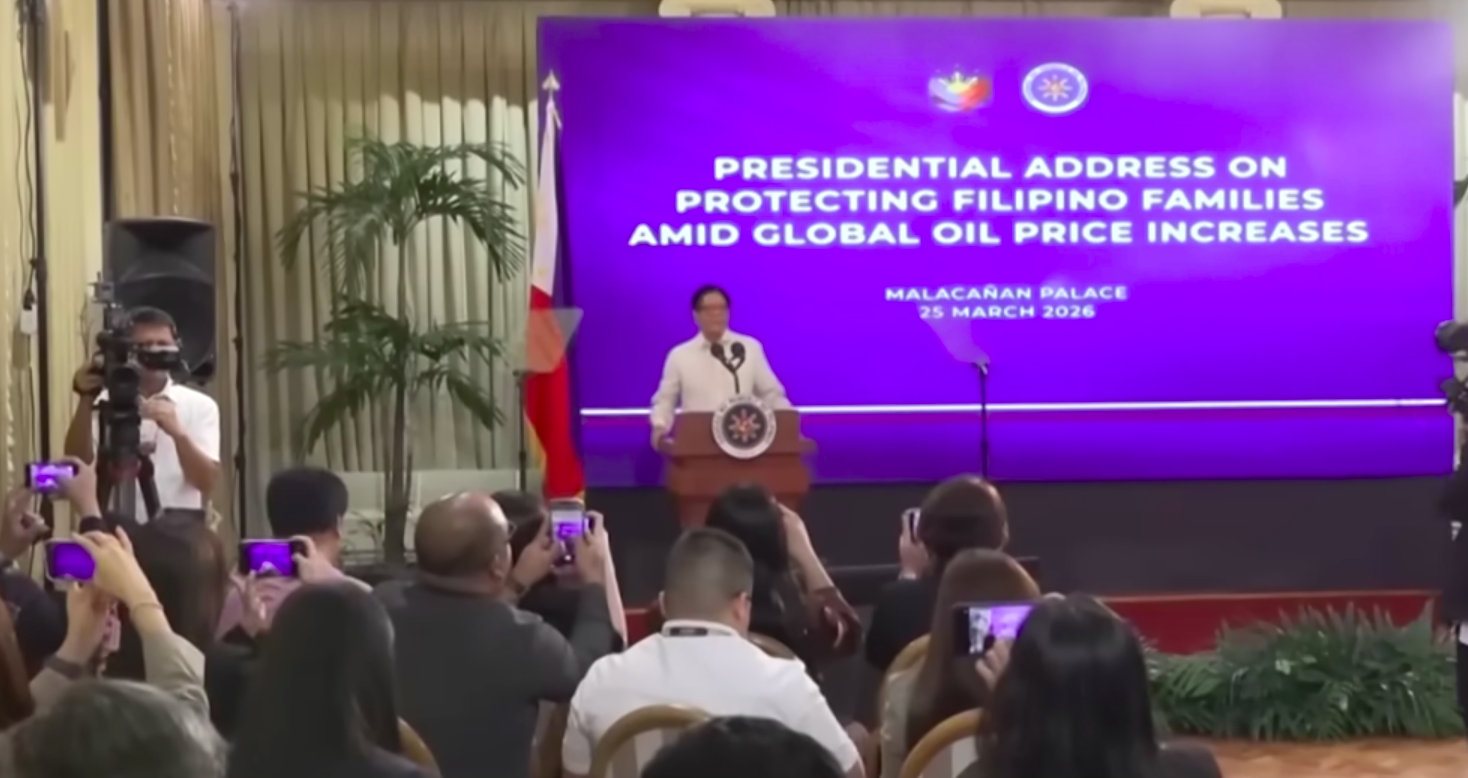
최근 중동발 지정학적 리스크가 동남아시아의 필리핀을 사상 초유의 국가 비상사태로 몰아넣고 있습니다. 국제 유가가 폭등하면서 필리핀 경제의 가장 약한 고리인 '에너지 안보'가 통째로 흔들리고 있기 때문입니다.
필리핀 정부는 대통령 직속 비상위원회를 가동하고 연료 보조금 투입과 대중교통 통제라는 극단적인 조치를 단행했습니다. 단순한 유가 상승을 넘어 왜 필리핀만 유독 '국가 부도'라는 단어까지 거론되는지 그 내막을 자세히 파헤쳐 보겠습니다.
2. 필리핀 국가 부도 위기의 3대 핵심 원인 분석
① 지형적 한계: 7,600여 개 섬의 '디젤 의존증'
필리핀은 7,600여 개의 섬으로 이루어진 군도 국가입니다. 이러한 지형적 특성상 국가 통합 전력망 구축이 사실상 불가능합니다. 고립된 수많은 섬은 전력을 생산하기 위해 디젤 발전에 전적으로 의존하고 있습니다. 국제 유가 폭등은 곧바로 각 섬의 전기료 폭등과 전력 부족으로 이어져 국가 전체의 마비를 초래하고 있습니다.
② 살인적인 물류 비용과 인프라 낙후
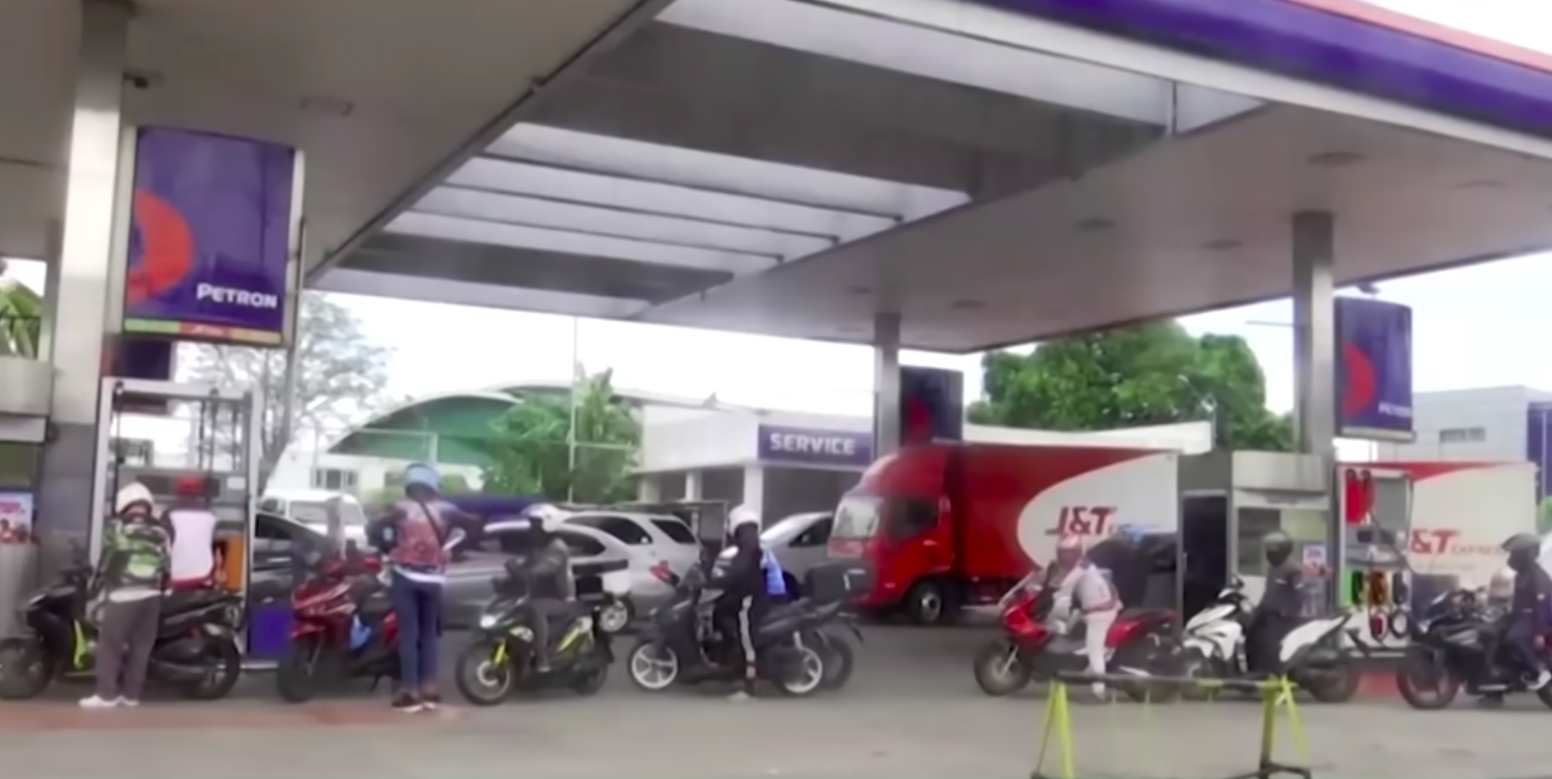
필리핀의 GDP 대비 물류 비용은 **27.5%**에 달합니다. 이는 아세안(ASEAN) 국가 중 압도적 1위입니다. 낡은 도로와 부족한 항만 시설 탓에 유가가 조금만 올라도 기업의 제조원가와 식료품 가격이 걷잡을 수 없이 치솟습니다. 특히 비료와 농기계 연료비 상승은 쌀 가격 폭등으로 이어져, 2022년 이후에만 약 240만 명의 국민이 빈곤층으로 전락했습니다.
③ 과거의 빚과 자원 고갈의 이중고
필리핀은 과거 마르코스 정권 시절 빌린 막대한 외채를 갚느라 새로운 인프라 투자 여력이 없습니다.
설상가상으로 필리핀 전력의 30%를 책임지던 말란파야 가스전은 고갈을 앞두고 있으며, 대체지인 리드뱅크는 중국과의 영유권 분쟁으로 개발이 봉쇄된 상태입니다.
3. 필리핀 정부의 중단기 대응책
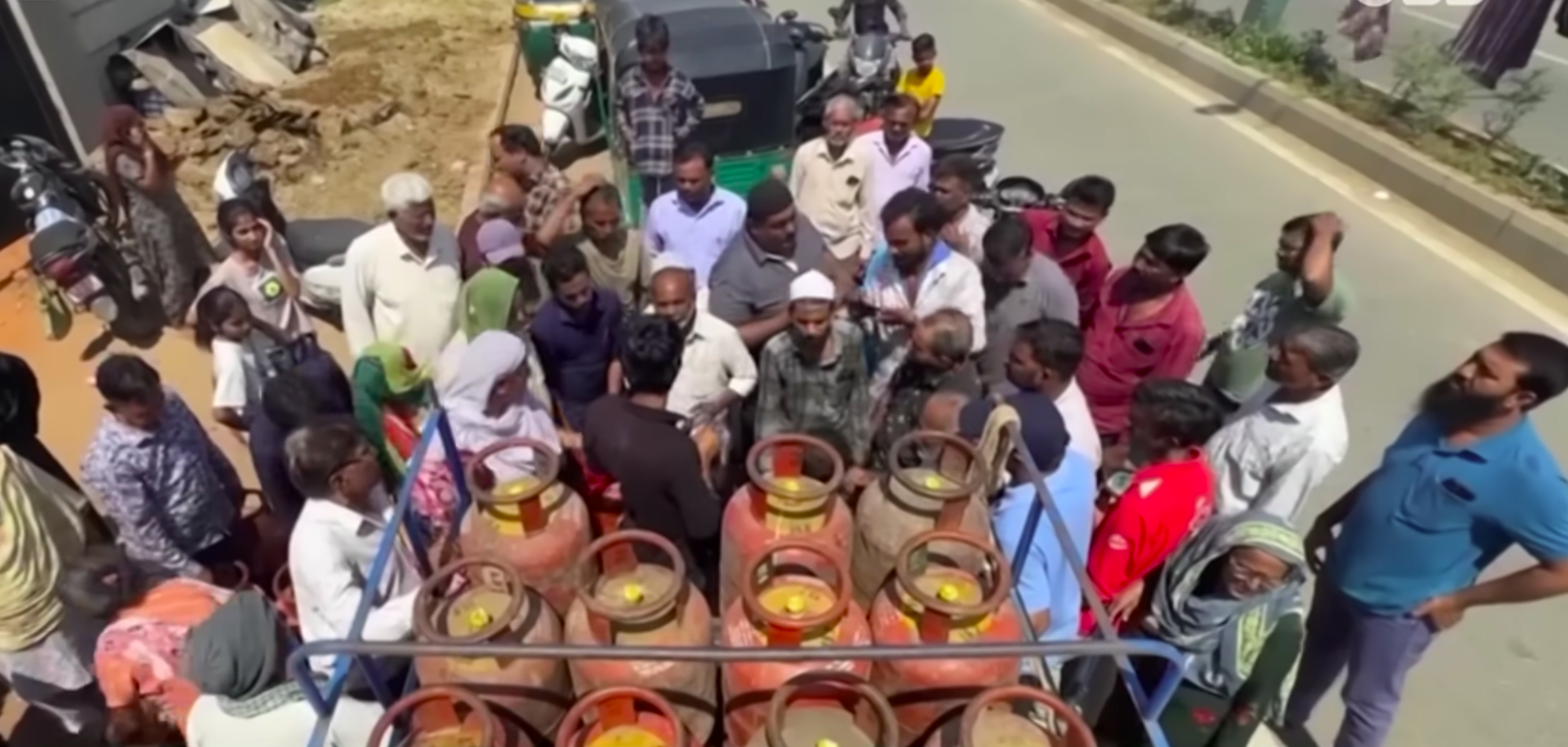
현재 필리핀 정부는 파격적인 생존 전략을 시도하고 있습니다.
- 에너지 시장 전면 개방: 재생 에너지 분야의 지분을 외국인에게 100% 개방하는 유례없는 조치를 취했습니다.
외부 자본을 끌어들여 고립된 섬마다 태양광, 풍력 등 분산형 전원 체계를 구축하겠다는 의지입니다. - 긴급 연료 보조금: 운송업 종사자와 농민들에게 디지털 바우처 형식으로 연료비를 지원하여 물가 상승의 1차 충격을 완화하고 있습니다.
- 에너지 절약 및 통제: 대중교통 운행 시간 조정 및 공공기관 에너지 사용 제한 등 고강도 에너지 다이어트를 시행 중입니다.
4. 장기 전략 및 대한민국에 주는 시사점
필리핀이 부도 위기를 극복하고 지속 가능한 성장을 하려면 다음과 같은 장기 전략이 필수적입니다.
- 에너지 믹스의 대전환: 디젤과 가스 의존도를 낮추고 소형모듈원전(SMR)이나 지열 발전 같은 지역 맞춤형 에너지원을 확보해야 합니다.
- 물류 혁신: 낙후된 철도와 항만 인프라를 현대화하여 외부 충격에 강한 경제 구조를 만들어야 합니다.
우리나라 역시 에너지 수입 의존도가 높은 국가로서 필리핀의 사례는 타산지석이 되어야 합니다.
특정 항로(호르무즈 해협 등)나 특정 에너지원에 과도하게 의존하는 구조를 개선하지 않으면, 우리도 언제든 필리핀과 같은 위기에 직면할 수 있음을 잊지 말아야 합니다.

5. 결론: 험난한 여정, 그리고 기회
필리핀의 부도 위기는 지난 50년간 쌓여온 구조적 부실이 중동 전쟁이라는 기폭제를 만나 터진 사건입니다.
하지만 위기는 곧 기회이기도 합니다. 에너지 시장을 전면 개방하며 분산형 전원 체계로 나아가는 필리핀의 행보가 성공할 경우, 이는 전 세계 섬 국가들의 새로운 에너지 모델이 될 수 있습니다.
[Blog Post Title]
Philippines Sovereign Default Risk? Deep Dive into the 2026 Energy Crisis: 7,600 Islands vs. Global Oil War
1. Introduction: Is a Southeast Asian Economy Collapsing?
The geopolitical tremors from the Middle East are sending shockwaves across the Pacific, pushing the Philippines into an unprecedented national state of emergency. As international oil prices skyrocket, the "energy security" of the Philippines—the weakest link in its economic chain—is being tested to its limits.
With the Presidential Emergency Committee now active, the government has resorted to extreme measures, including fuel subsidies and public transport controls. But why is the Philippines uniquely vulnerable to a sovereign default compared to its neighbors? Let’s analyze the structural fractures behind this crisis.
2. 3 Core Reasons for the Philippine Economic Crisis
① The "Diesel Dependency" of an Archipelago
The Philippines is a nation of over 7,600 islands. This unique geography makes the construction of a unified national power grid nearly impossible. Consequently, thousands of isolated islands rely entirely on diesel power generation. When global oil prices surge, the cost of electricity and basic survival on these islands inflates instantly, causing widespread economic paralysis.
② Crippling Logistics Costs and Decaying Infrastructure
The Philippines’ logistics cost relative to GDP stands at a staggering 27.5%, the highest among ASEAN nations. Due to aging roads and insufficient port facilities, even a minor uptick in fuel prices is immediately reflected in manufacturing costs and food prices. Since 2022, rising costs for fertilizer and tractor fuel have caused rice prices to explode, pushing an estimated 2.4 million citizens below the poverty line.
③ The Legacy of Debt and Resource Depletion
The country is trapped in a "path-dependency" tragedy. Massive foreign debts inherited from previous decades have drained the budget, leaving little room for infrastructure upgrades. Furthermore, the Malampaya gas field, which provides 30% of the nation's power, is nearing depletion. The alternative—the Reed Bank—remains inaccessible due to territorial disputes with China in the South China Sea.
3. The Government’s Response: Survival of the Boldest
In a desperate bid to avert a total collapse, the Marcos administration has implemented radical shifts:
- 100% Foreign Ownership in Renewables: In a historic move, the Philippines has opened its renewable energy sector entirely to foreign investors. The goal is to bypass the lack of a national grid by building decentralized solar and wind micro-grids across the islands.
- Emergency Fuel Vouchers: Digital subsidies are being funneled to public transport drivers and farmers to cushion the initial blow of inflation.
- Public Transport Control: High-intensity "energy dieting" is in effect, with restricted operating hours for government offices and public transportation.
4. Long-Term Strategy & Global Implications
For the Philippines to survive this storm, it must move beyond short-term subsidies:
- Energy Mix Revolution: Transitioning from diesel to Small Modular Reactors (SMRs) and geothermal energy to create self-sufficient island power hubs.
- Logistics Modernization: Investing in modernized rail and port infrastructure to build an economy resilient to external energy shocks.
Global Lesson: The Philippine situation serves as a grim warning to any nation heavily reliant on imported energy. Over-dependence on specific shipping routes (like the Strait of Hormuz) or a single energy source is no longer just an economic risk—it is a threat to national sovereignty.
5. Conclusion: A 50-Year Struggle at a Turning Point
The current risk of default is the result of 50 years of structural neglect ignited by the 2026 Middle East war. However, this crisis presents a unique opportunity. If the Philippines succeeds in its radical opening of the renewable market, it could become a global blueprint for decentralized energy systems in archipelagic nations.


