1. 2026 발리카탄(Balikatan) 훈련의 계기와 목적
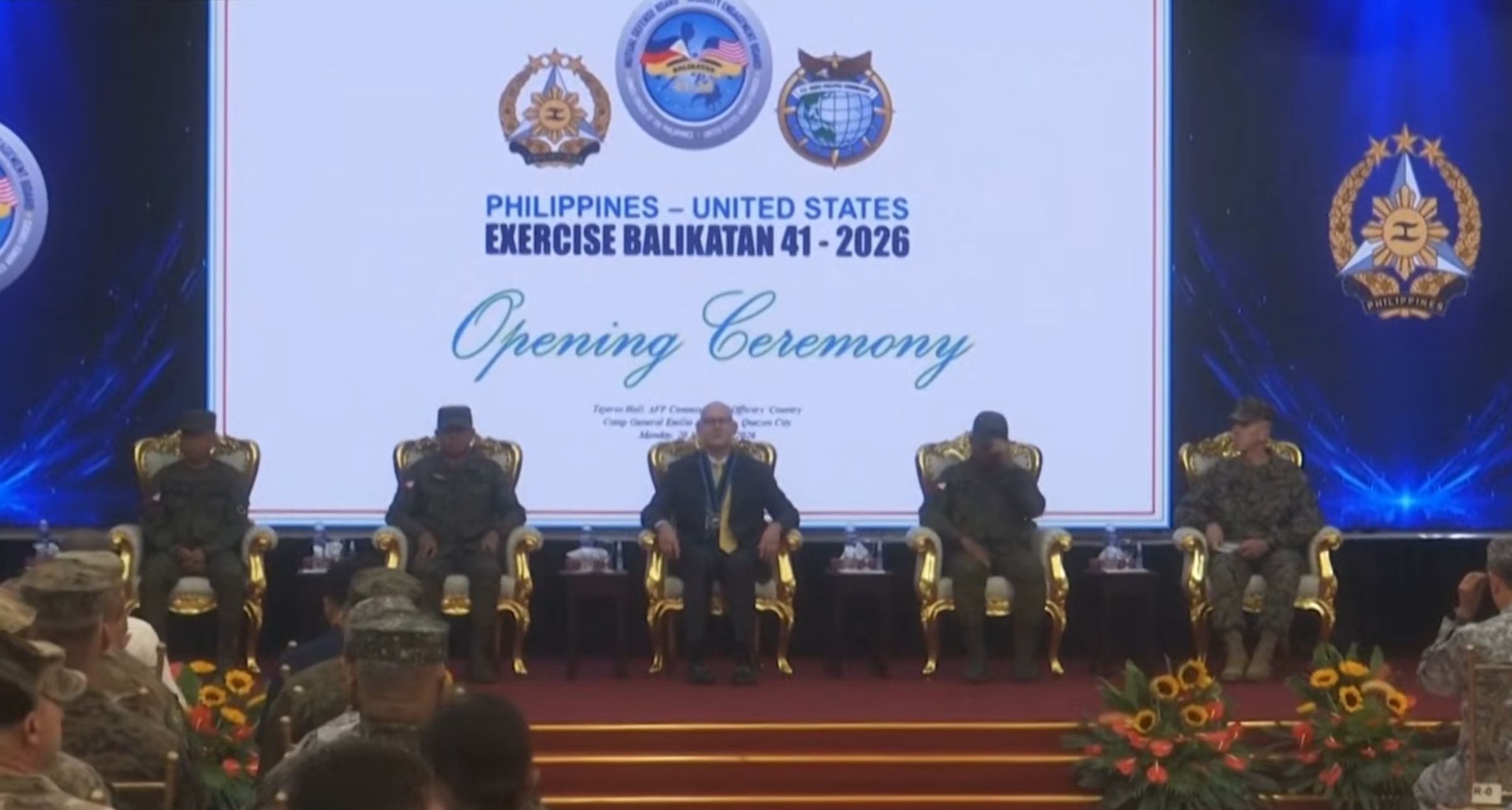
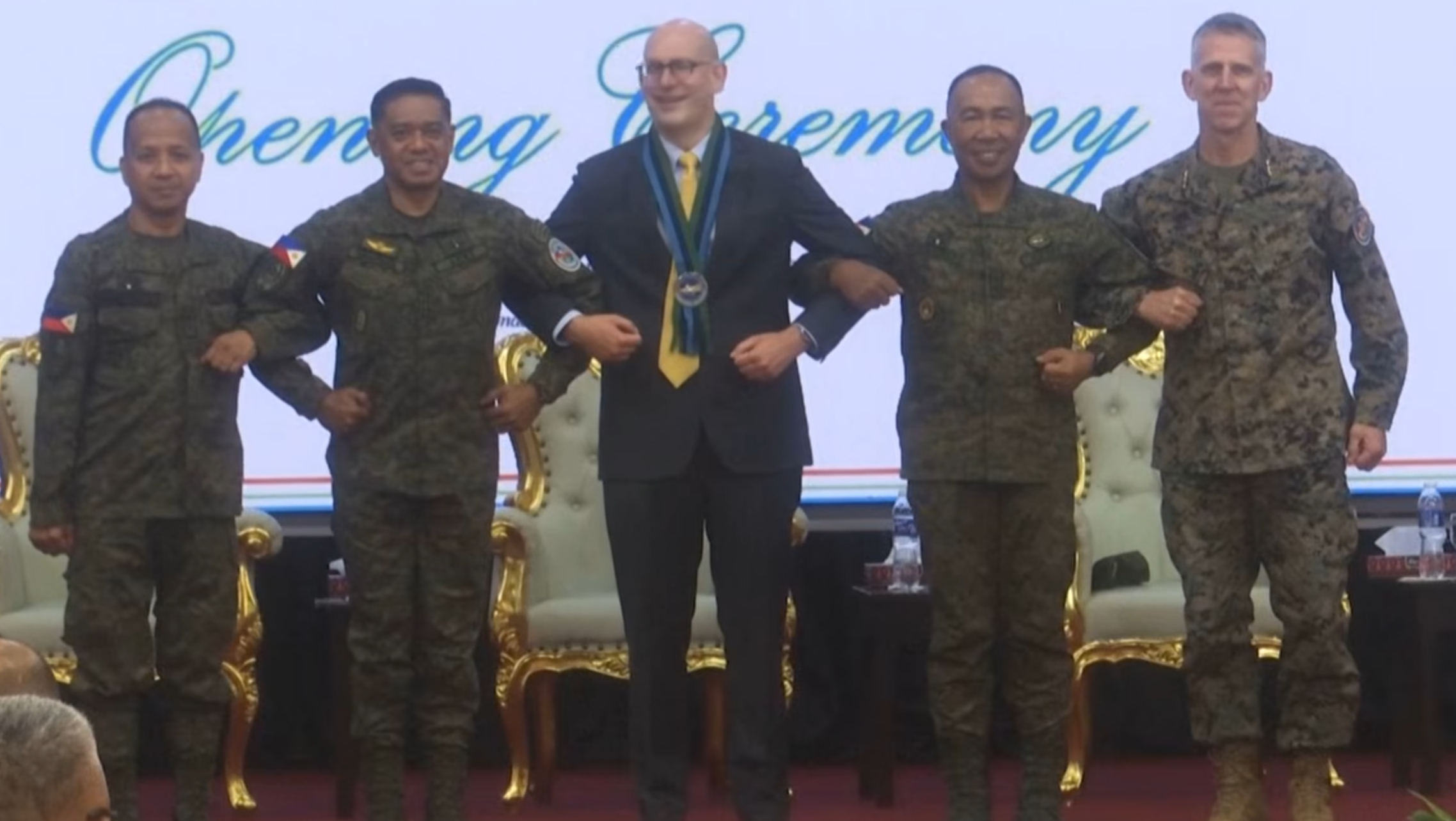
2026년 4월 20일부터 5월 8일까지 필리핀 전역에서 실시되는 제41차 '발리카탄' 훈련은 그 어느 때보다 날 선 긴장감 속에 시작되었습니다. 타갈로그어로 **'어깨를 나란히'**라는 뜻인 이 훈련은 올해 미-필리핀 상호방위조약 체결 75주년을 맞아 역대 최대 규모인 17,000명 이상의 병력이 집결했습니다.
- 핵심 목적: 이번 훈련은 단순한 연례 행사를 넘어, **'해양 방위 현대화'**와 **'영토 방어 능력 강화'**에 초점을 맞추고 있습니다. 특히 중국의 남중국해 영유권 주장에 맞서 필리핀의 배타적 경제수역(EEZ)을 수호하고, 대만 해협 유사시 신속한 전개 능력을 시험하는 것이 주된 목적입니다.
- 최첨단 무기 체계의 등장: 이번 훈련에는 필리핀이 새로 도입한 브라모스(Brahmos) 초음속 대함 미사일과 일본의 88식 지대함 미사일 등이 투입되어 실제 침입 함선을 격침하는 '싱킹 엑서사이즈(Sinking Exercise)'가 핵심적으로 다뤄집니다.
2. 일본 자위대의 참여와 남중국해 역학구도의 변화
이번 훈련에서 가장 주목할 변화는 일본 자위대의 본격적인 참여입니다. 단순히 참관하는 수준을 넘어 육상자위대의 수륙양용신속배치여단 등 '전투병' 성격의 부대가 상륙 저지 연습에 참여하고 있습니다.

① 다자간 안보 협력의 공고화
과거 미국과 필리핀의 양자 훈련이었던 발리카탄은 이제 일본, 호주, 프랑스, 캐나다 등이 참여하는 다자간 안보 네트워크로 진화했습니다. 이는 남중국해 문제가 더 이상 필리핀만의 문제가 아닌, '자유롭고 개방된 인도-태평양'을 수호하려는 민주주의 국가들의 공동 대응 과제가 되었음을 의미합니다.
② 중국의 '맞불' 무력시위
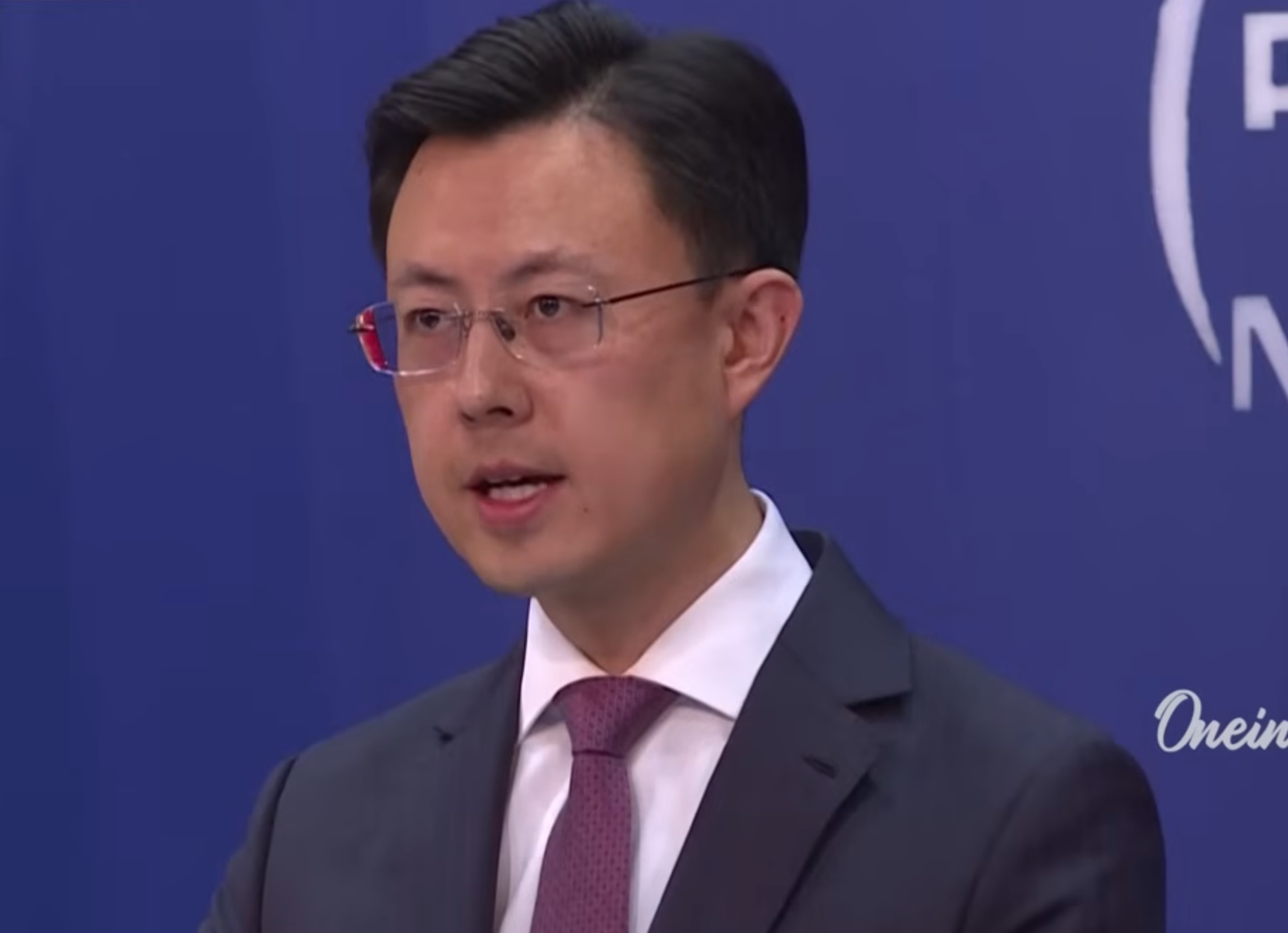
중국은 이에 즉각 반발하고 있습니다. 중국 인민해방군 남부전구는 남중국해 스카버러 암초(중국명 황옌다오) 인근에 전략 폭격기인 H-6K와 Su-35 전투기를 배치하며 무력시위를 벌였습니다. 또한 서태평양 일대에서 실전 훈련을 추진하며 미-필리핀 동맹의 포위망에 정면으로 맞서고 있습니다.
3. 필리핀 정부의 정책 향방: 강경 대응 속의 실용 외교
마르코스 주니어 필리핀 대통령은 집권 후반기에 접어들며 더욱 선명한 '친미·반중' 안보 노선을 걷고 있습니다.
- 안보 주권 강화: 마르코스 행정부는 "새로운 필리핀(Bagong Pilipinas)"을 슬로건으로 내걸고, 미국의 전략 자산을 필리핀 내 군사 기지에 전진 배치하는 등 안보 협력을 강화하고 있습니다.
- 에너지 실용주의: 흥미로운 점은 안보에서는 강경하지만, 경제와 자원 문제에서는 타협의 여지를 남겨두고 있다는 것입니다. 최근 마르코스 대통령은 중동 전쟁 여파로 기름값이 폭등하자, 남중국해 석유·가스 공동 개발을 위해 중국과 협상을 재개할 의사가 있음을 내비쳤습니다. 이는 민생 안정을 위해 자원 개발 분야에서는 실용적인 접근을 취하려는 전략입니다.
4. 앞으로의 군사훈련 계획과 전망
미국과 필리핀은 올해 500건 이상의 합동 군사 활동을 계획하고 있습니다.
- 사이버 및 우주 영역 확대: 2026년 중반부터는 전통적인 해상·육상 훈련을 넘어 사이버 보안 및 우주 기반 통신 체계를 통합하는 고난도 훈련이 예정되어 있습니다.
- 해안경비대 통합 훈련: 대만과 미국 해안경비대 간의 통합 훈련이 국방수권법(NDAA)에 따라 추진될 예정이며, 이는 대만 해협의 긴장을 더욱 고조시킬 변수로 꼽힙니다.
- 지휘통제 체계 통합: 미국은 한국, 일본, 필리핀 등 조약 동맹국들과의 지휘통제(C2) 체계를 하나로 묶는 다자간 통합 시스템 구축에 박차를 가할 전망입니다.
5. 결론: 2026 남중국해, '화약고'가 될 것인가?
현재 진행 중인 발리카탄 훈련은 중국의 팽창주의를 막기 위한 거대한 '방어벽'을 구축하는 과정입니다. 하지만 중국의 강력한 맞대응과 우발적 충돌 가능성 또한 커지고 있어, 2026년 남중국해는 전 세계 안보의 가장 위험한 flashpoint(발화점)가 될 것으로 보입니다.

[Blog Post Title]
Balikatan 2026: U.S. and Philippines Launch Record-Breaking Drills Amid South China Sea Tensions—Japan’s New Role and China’s Fierce Response
1. The Dawn of Balikatan 2026: Context and Objectives
From April 20 to May 8, 2026, the 41st iteration of the "Balikatan" (Shoulder-to-Shoulder) exercises has commenced across the Philippines, marking a historic high in military cooperation. This year’s drills coincide with the 75th anniversary of the U.S.-Philippines Mutual Defense Treaty, featuring a massive mobilization of over 17,000 personnel.
- Core Objectives: Beyond routine maneuvers, the 2026 drills focus on "Comprehensive Archipelagic Defense Concepts." The primary goal is to bolster the Philippines' ability to defend its Exclusive Economic Zone (EEZ) against Chinese incursions and to test rapid deployment capabilities in the event of a Taiwan Strait contingency.
- Cutting-Edge Weaponry: The exercises prominently feature the newly acquired BrahMos supersonic anti-ship missiles from the Philippines and Japan’s Type 88 surface-to-ship missiles. A key highlight is the "Sinking Exercise," where live fire is used to neutralize a decommissioned vessel, simulating a real-world maritime invasion.
2. Japan’s Strategic Entry and Shifting Power Dynamics
The most significant evolution in Balikatan 2026 is the full-scale participation of the Japan Self-Defense Forces (JSDF). No longer mere observers, Japan’s Amphibious Rapid Deployment Brigade is actively participating in combat-level beach defense drills.
① Strengthening Multilateral Security Ties
Once a bilateral affair, Balikatan has transformed into a multilateral security hub, incorporating personnel and assets from Australia, France, and Canada. This shift signals that the South China Sea is no longer just a local dispute but a collective mission for democratic nations to maintain a "Free and Open Indo-Pacific."
② China’s "Tit-for-Tat" Military Posture
Beijing has responded with immediate aggression. The PLA Southern Theater Command deployed H-6K strategic bombers and Su-35 fighter jets near Scarborough Shoal (Huangyan Island) for live-fire combat patrols. China is also conducting simultaneous naval drills in the West Pacific to demonstrate its capability to break through the U.S.-led "First Island Chain" encirclement.
3. The Marcos Administration’s Policy: Hardline Defense Meets Pragmatic Energy
President Ferdinand Marcos Jr. is entering the latter half of his term with a distinct "Pro-U.S., Assertive Defense" stance.
- Defense Sovereignty: Under the "Bagong Pilipinas" (New Philippines) slogan, the administration has expanded U.S. access to military bases (EDCA sites), allowing for the forward deployment of strategic U.S. assets.
- Resource Pragmatism: Interestingly, while maintaining a hard line on security, Marcos has hinted at resuming negotiations with China for joint oil and gas exploration. Driven by the domestic energy crisis caused by the Middle East war, this move reflects a pragmatic "dual-track" strategy—countering China militarily while seeking economic concessions for energy survival.
4. Future Military Outlook and Upcoming Drills
The U.S. and the Philippines plan to conduct over 500 joint military activities throughout 2026.
- Expansion into Cyber and Space: Starting mid-2026, drills will move beyond traditional sea and land maneuvers to integrate cybersecurity and space-based communication systems.
- Integrated Coast Guard Drills: Following the U.S. National Defense Authorization Act (NDAA), integrated exercises between the U.S., Philippine, and potentially Taiwanese Coast Guards are being planned, which will likely be a flashpoint for further tension with Beijing.
- Unified Command & Control (C2): The U.S. is accelerating efforts to link the C2 systems of its treaty allies—South Korea, Japan, and the Philippines—into a single, interoperable multilateral defense grid.
5. Conclusion: Is the South China Sea the 2026 Powder Keg?
Balikatan 2026 is a clear demonstration of the "Great Wall of Defense" being built to contain Chinese expansionism. However, as China ramps up its counter-maneuvers, the risk of an accidental collision or miscalculation has reached a critical peak. The South China Sea has officially become the most dangerous flashpoint for global security in 2026.
'방금 들어온 소식' 카테고리의 다른 글
| 두테르테 ICC 전격 압송! '마약과의 전쟁' 심판대 오르다: 범죄 혐의, 마르코스 정부의 대응 및 필리핀 정세 총정리 (0) | 2026.04.24 |
|---|---|
| 삼성전기, 필리핀에 1조 4천억 투입! 10억 달러 규모 제조시설 건설의 내막과 한·필 경제 동맹의 미래 (1) | 2026.04.23 |
| 졸리비의 공격적 행보: 샤브올데이 1,300억 인수와 컴포즈커피 보유한 졸리비 그룹 주가 전망 (0) | 2026.04.20 |
| [제목] 필리핀을 뒤흔든 2.9조 뇌물 스캔들: 마르코스 측근 하원의장 사임과 국가 부도 위기 속 민심 폭발 (1) | 2026.04.19 |
| "이스라엘은 가장 도덕적인 군대인가?" 이재명 대통령의 파격 발언과 중동 전쟁의 대전환, 필리핀 등 아시아 국가들의 분노와 한국의 선택 (2) | 2026.04.14 |


