1. 추진 배경: 왜 지금 일본과 필리핀인가?
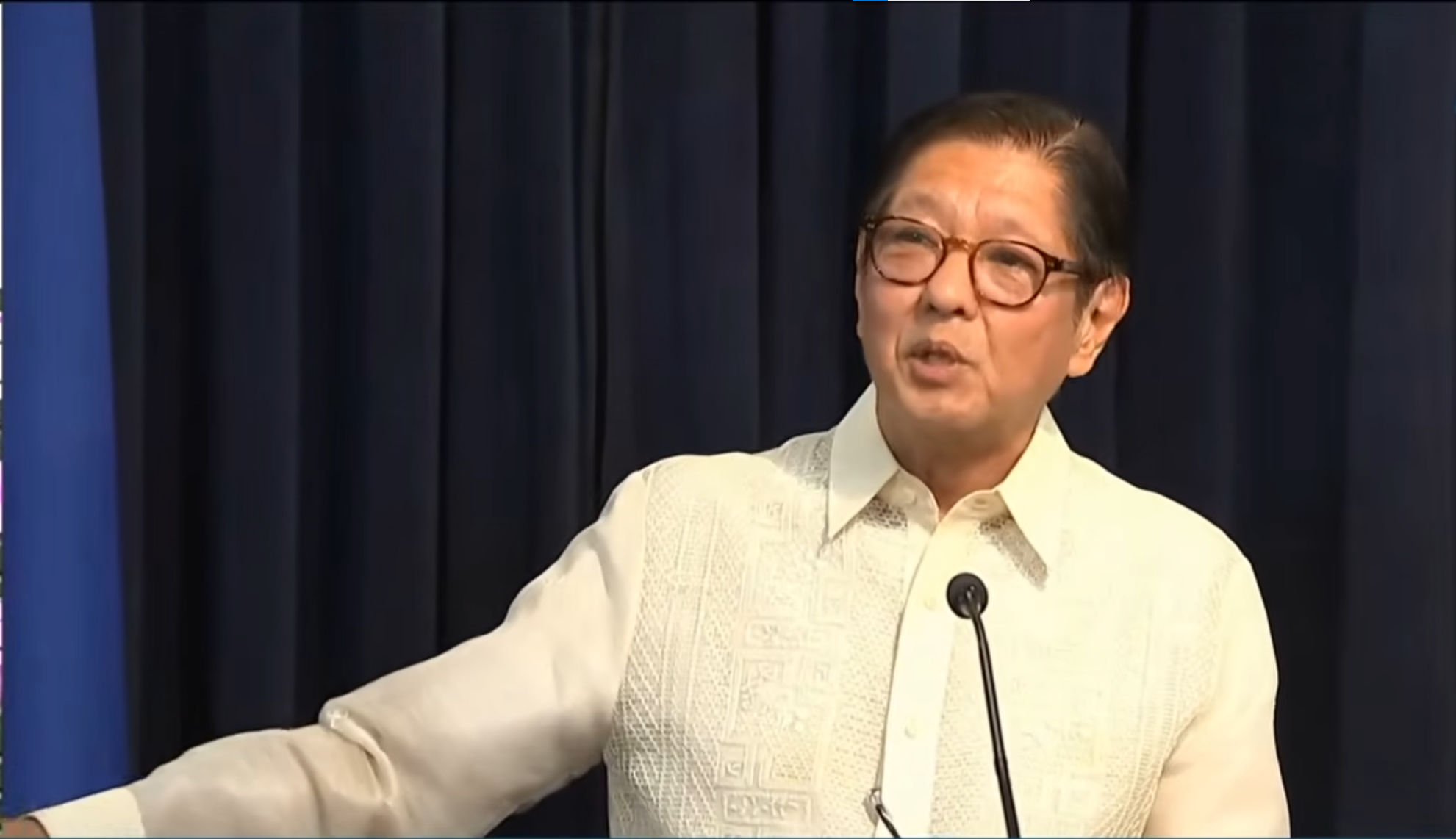
일본 정부가 2026년 5월, 페르디난드 마르코스 주니어 필리핀 대통령을 국빈 초청하기로 했습니다. 이는 단순한 외교적 의례를 넘어, 중국의 해양 진출을 억제하기 위한 '다자간 포위망' 구축의 결정판입니다.
- 중국의 남중국해 압박: 중국은 인공섬 건설과 해상 민병대를 동원해 필리핀의 배타적 경제수역(EEZ)을 지속적으로 침범하고 있습니다. 이에 위협을 느낀 필리핀은 강력한 '우군'이 필요한 상황입니다.
- 일본의 '정상 국가화' 야욕: 일본은 미·중 갈등을 틈타 방위 장비 이전 3원칙을 개정, 전후 금기시되었던 살상 무기(미사일, 호위함 등) 수출을 허용하며 군사적 영향력을 확대하려 합니다. [4.1]
- 미국의 전략적 후퇴 보완: 미국은 자국 우선주의 기조 속에 동맹국들이 더 많은 안보 책임을 지기를 원하며, 일본이 동남아시아의 '안보 보증인' 역할을 수행하는 것을 적극 지지하고 있습니다.

2. 현재 진행 상황: 무기 수출과 군사 협정의 가속화
과거 일본의 지원이 방탄복이나 레이더 같은 비살상 장비에 그쳤다면, 이제는 그 차원이 달라졌습니다.
① 살상 무기 이전의 공식화
2026년 4월 21일, 일본 각료회의는 방위 장비 이전 3원칙 지침을 개정하여 호위함(Destroyer)과 미사일 등 살상 무기의 완제품 수출을 원칙적으로 허용했습니다. [4.2] 현재 필리핀과는 '03식 중거리 지대공 미사일' 수출을 위한 비공식 협의가 진행 중인 것으로 알려졌습니다. [2.2]
② 상호접근협정(RAA)의 발효와 자위대 파병
2025년 9월 발효된 **일본-필리핀 상호접근협정(RAA)**에 따라 양국 군대는 상대국 영토에 입국하여 연합 훈련을 할 수 있는 법적 토대를 마련했습니다. [3.1] 실제로 최근 실시된 '발리카탄 2026' 훈련에는 자위대 전투 병력 1,400여 명이 처음으로 공식 참여했습니다. [3.2]
3. 국제 역학관계: '격랑의 인도·태평양'
이번 협력은 단순히 두 나라의 관계를 넘어 전 세계적인 역학 관계를 뒤흔들고 있습니다.
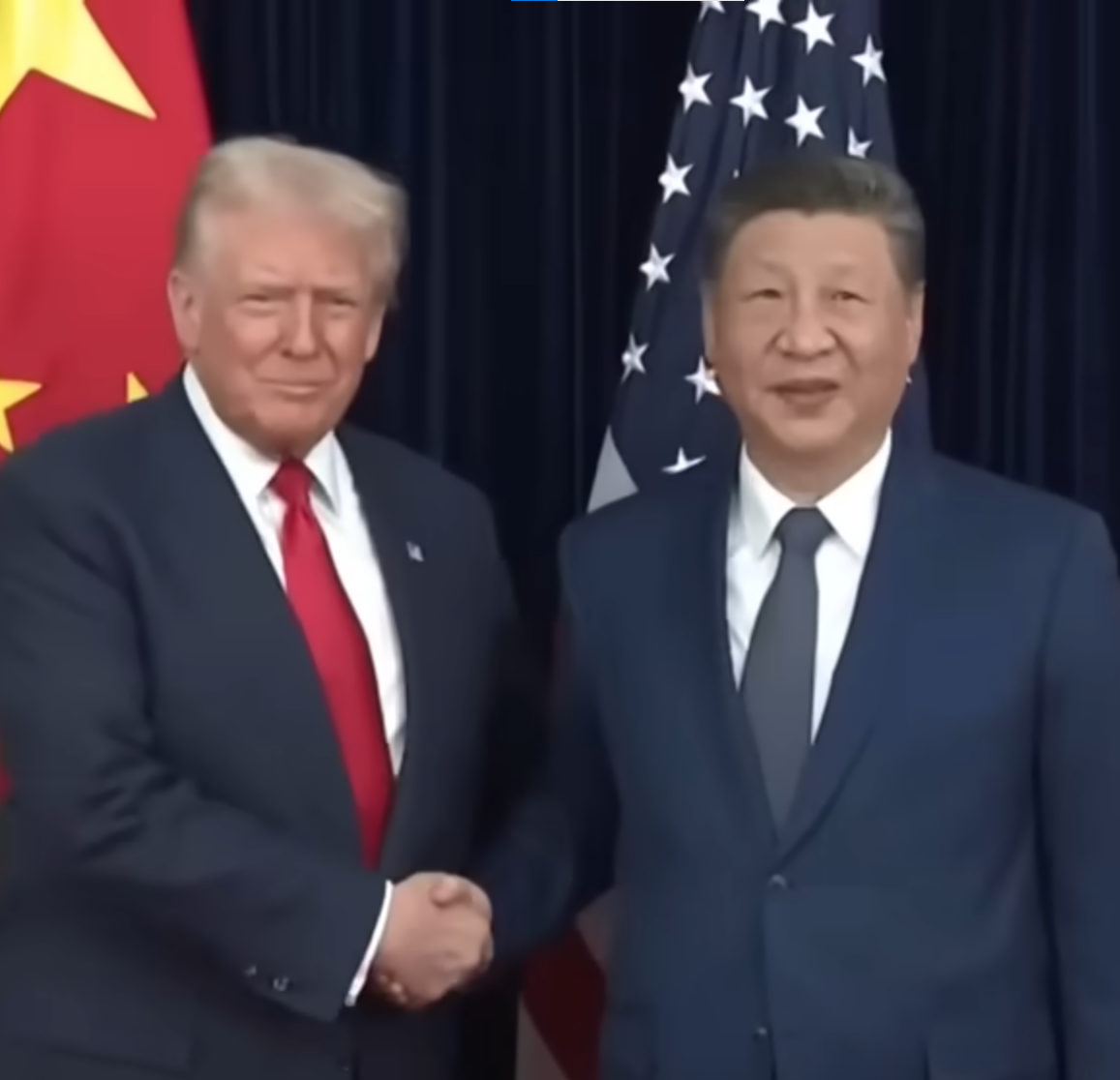
- 미·일·필 3각 동맹의 제도화: 미국을 정점으로 일본과 필리핀이 결합하는 '소다자 안보 협력'이 강화되면서, 중국을 남쪽에서 압박하는 견고한 봉쇄선이 구축되었습니다.
- 일본의 동남아 교두보 확보: 일본은 필리핀을 시작으로 베트남, 인도네시아 등과도 유사한 안보 협력을 확대하며 동남아시아 내 중국의 영향력을 차단하려 합니다.
- 중국의 강력 반발: 중국은 일본의 무기 수출 허용을 "전후 국제 질서에 대한 도전"이자 "아시아의 화약고를 만드는 행위"라며 맹비난하고 있으며, 대규모 해상 무력 시위로 맞서고 있습니다. [4.2]

4. 한국 및 동북아 주변국에 미치는 영향
일본의 군사적 도약은 한국에게 기회이자 동시에 거대한 위협으로 다가옵니다.
- 한국 방산(K-방산)과의 경쟁: 필리핀은 그간 한국산 FA-50 전투기와 호위함을 도입해 온 주요 고객이었습니다. 하지만 일본이 정부 차원의 파격적인 금융 지원(OSA)과 함께 최첨단 무기를 제안할 경우, 한국 방산 수출 시장에 강력한 라이벌이 등장하게 됩니다.
- 동북아 안보 소외 우려: 미국·일본·필리핀이 동중국해와 남중국해를 하나의 '전역(Theater)'으로 묶어 대응하는 과정에서, 한국이 한반도 이슈에만 매몰될 경우 역내 안보 주도권을 상실할 위험이 있습니다. [5.2]
- 역사적 갈등의 재점화: 일본의 살상 무기 수출과 자위대 해외 전개는 과거사 문제와 맞물려 주변국들의 경계심을 자극하며 동북아 내 군비 경쟁을 가속화할 가능성이 큽니다.
5. 향후 추진 전망 및 시사점
일본은 향후 필리핀을 넘어 호주, 영국 등과도 무기 공동 개발 및 수출을 확대할 것입니다.
- 방산 수출 대국으로의 부상: 일본은 단순한 안보 협력을 넘어 '방산 생태계' 구축을 통해 자국 경제 활성화를 노리고 있습니다.
- 집단 자위권의 실질적 행사: 자위대의 필리핀 상시 순환 배치 가능성이 제기되면서, 일본의 군사력은 더 이상 열도 내에 머물지 않게 될 것입니다.
[결론: 한국의 대응 전략]
우리는 일본의 우경화와 군사 밀착을 감정적으로 대응하기보다, 냉철한 국익 중심의 외교가 필요합니다. K-방산의 기술적 우위를 유지하는 동시에, 한·미·일 안보 협력의 틀 안에서 한국의 목소리가 소외되지 않도록 남중국해 이슈에 대해서도 전략적 입장을 정리해야 할 시점입니다.
[Blog Post Title]
Japan-Philippines Military "Quasi-Alliance": Lethal Weapon Exports and Marcos’s State Visit—A New Era of Indo-Pacific Containment
1. The Historic Shift: Japan Lifts the Ban on Lethal Arms
On April 21, 2026, the Japanese government, led by Prime Minister Sanae Takaichi, officially revised its "Three Principles on Transfer of Defense Equipment and Technology." This landmark decision scrapped the long-standing "five-category" rule that restricted exports to non-combat equipment.
- The New Reality: Japan can now export finished, lethal weapons—including destroyers, submarines, and missiles—to 17 designated partner nations, with the Philippines at the top of the list. [3.1, 3.2]
- Strategic Motivation: Tokyo views the current security environment as the "most severe" since WWII. By arming like-minded countries, Japan aims to create a collective deterrent against unilateral changes to the status quo by force. [3.3]
2. Marcos’s 2026 State Visit: Solidifying the Partnership
Following an official invitation, Philippine President Ferdinand Marcos Jr. is scheduled for a State Visit to Japan from May 26 to 29, 2026. This visit serves as the diplomatic pinnacle of a series of military pacts signed over the past year. [1.1]
- Key Pacts in Motion:
- Reciprocal Access Agreement (RAA): Enforced in September 2025, this provides the legal basis for troops to be deployed on each other's territory for joint drills. [1.3]
- Acquisition and Cross-Servicing Agreement (ACSA): Signed in January 2026, this allows the mutual exchange of fuel, ammunition, and logistics during crises or exercises. [2.1]
- Defense Assistance: Under the "Official Security Assistance" (OSA) framework, Japan has already begun providing millions in military-related aid to bolster Manila’s maritime surveillance. [1.3]
3. Current Progress: Balikatan 2026 and Missile Diplomacy
The ongoing Balikatan 2026 (April 20–May 8) exercises serve as a live demonstration of this new alliance. For the first time, Japan is a full active participant, contributing 1,400 personnel. [1.2]
- High-Tech Drills: A significant highlight includes the Japanese military using a Type 88 cruise missile to sink a target ship off the coast of Luzon, simulating a maritime defense of the Philippine archipelago. [1.2]
- BrahMos & Beyond: With the Philippines recently deploying its first BrahMos supersonic missiles, Japan’s contribution of advanced radar and potential future surface-to-ship missile sales creates a multi-layered "Anti-Access/Area Denial" (A2/AD) network.
4. Impact on South Korea and Northeast Asia
Japan’s aggressive entry into the lethal arms market presents a complex challenge for South Korea, the current leader in "K-Defense."
- Market Competition: The Philippines has traditionally been a major customer for South Korea (e.g., FA-50 fighters and Jose Rizal-class frigates). Japan’s state-backed financing and "lethal export" capability now make them a direct competitor for future Philippine procurement projects. [4.2]
- Security Interdependence: While they are competitors in business, strategically, the Japan-Philippines-U.S. trilateral alignment strengthens the southern flank of the First Island Chain, which ultimately benefits South Korea’s maritime security.
- Regional Arms Race: China has denounced this "collusion" as a provocation that turns the region into a "powder keg," leading to increased PLA naval activity east of Luzon. [1.1]
5. Future Outlook: The Trilateral Fortification
The "quasi-alliance" between Tokyo and Manila is expected to evolve into a formalized Trilateral Security Framework involving the United States.
- Luzon Economic Corridor: Joint infrastructure projects will be tied to military logistics, making the Philippines a resilient hub for Indo-Pacific defense.
- Permanent Rotational Presence: Following the RAA, we may soon see semi-permanent rotations of Japanese 자위대 (Self-Defense Forces) in Philippine bases, mirroring the U.S. presence.
- The "Abe Doctrine" Fulfilled: This shift marks the total realization of the late Shinzo Abe’s vision: a Japan that actively exports security and hardware to maintain the regional balance of power. [3.3]


