1. 추진 배경: 왜 2026년, 필리핀인가?
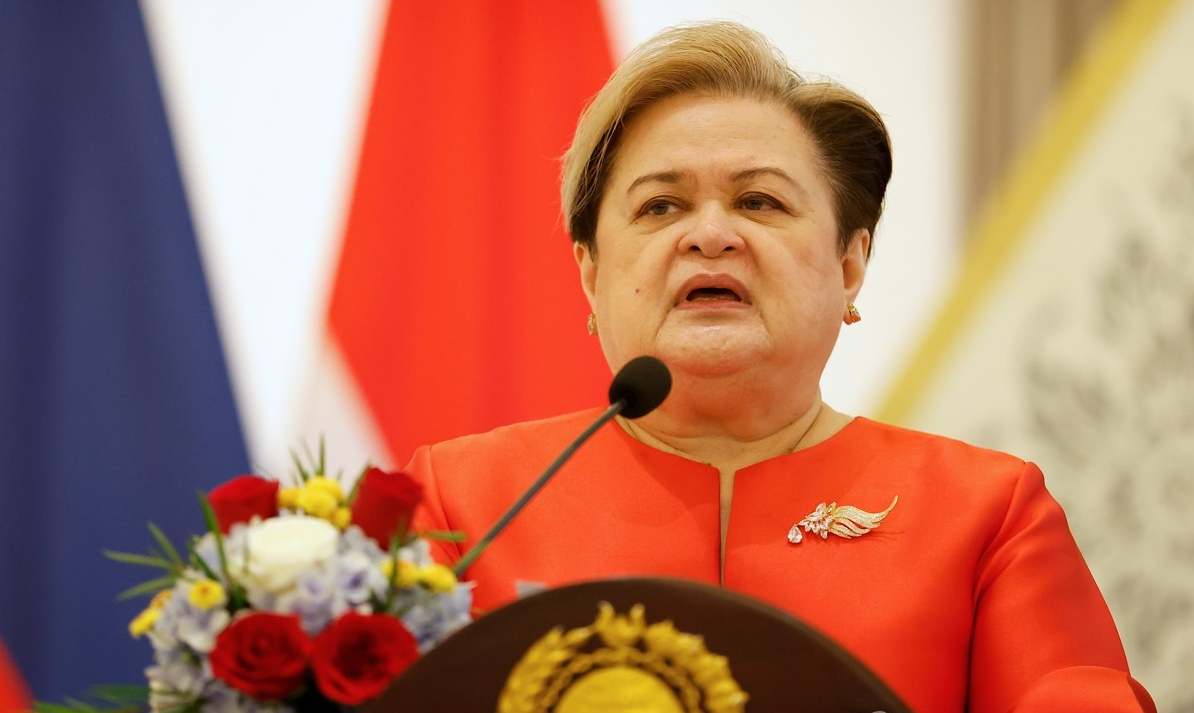
필리핀 외교부는 최근 "올해 말까지 남중국해 행동강령을 마련하는 것은 지역과 세계에 대한 우리의 의무"라고 강조하며 협상 속도를 높이겠다고 밝혔습니다.
- 의장국으로서의 리더십: 2026년 아세안 의장국인 필리핀은 '함께 미래를 항해하자(Navigating Our Future, Together)'는 슬로건 아래, 해양 안보를 최우선 과제로 삼았습니다.
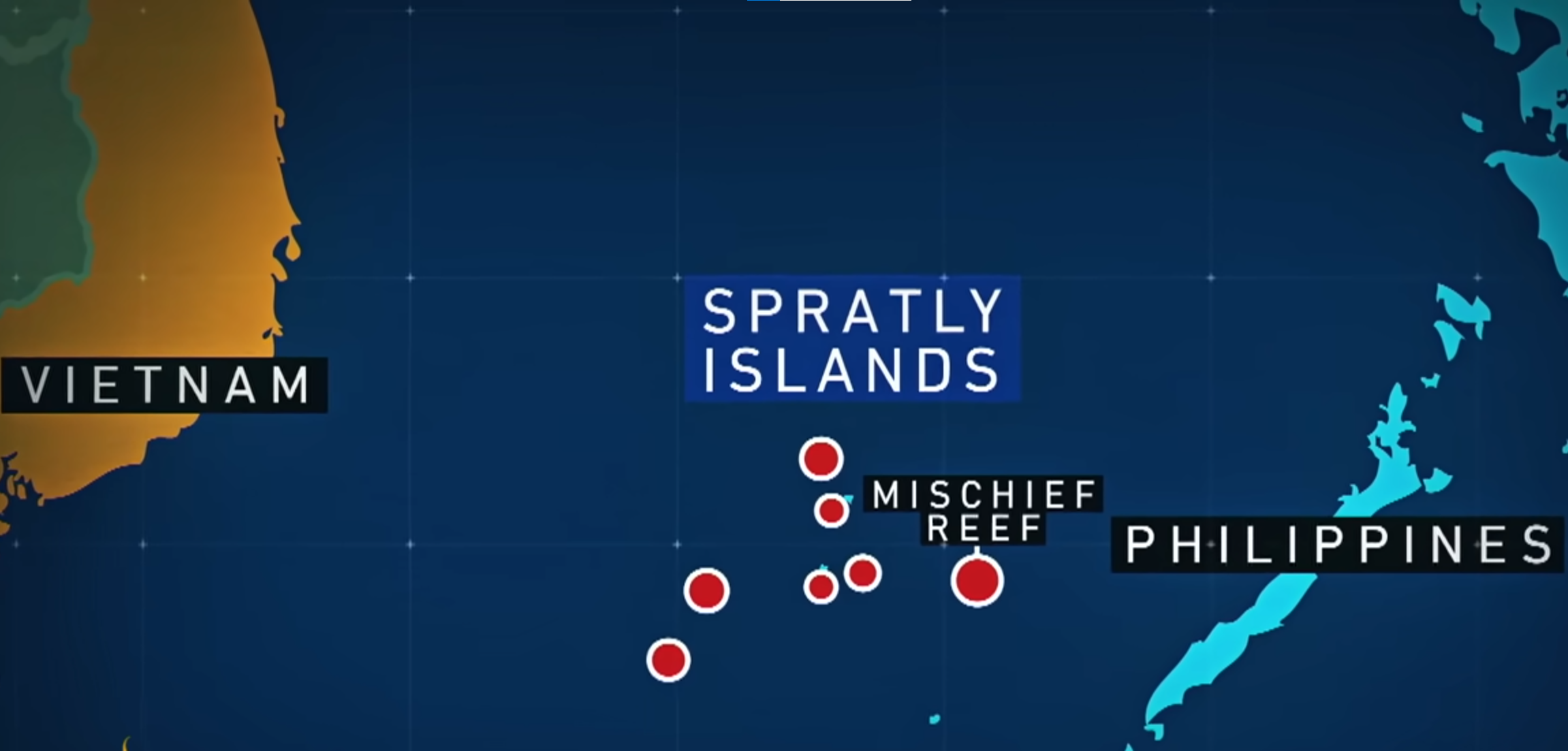
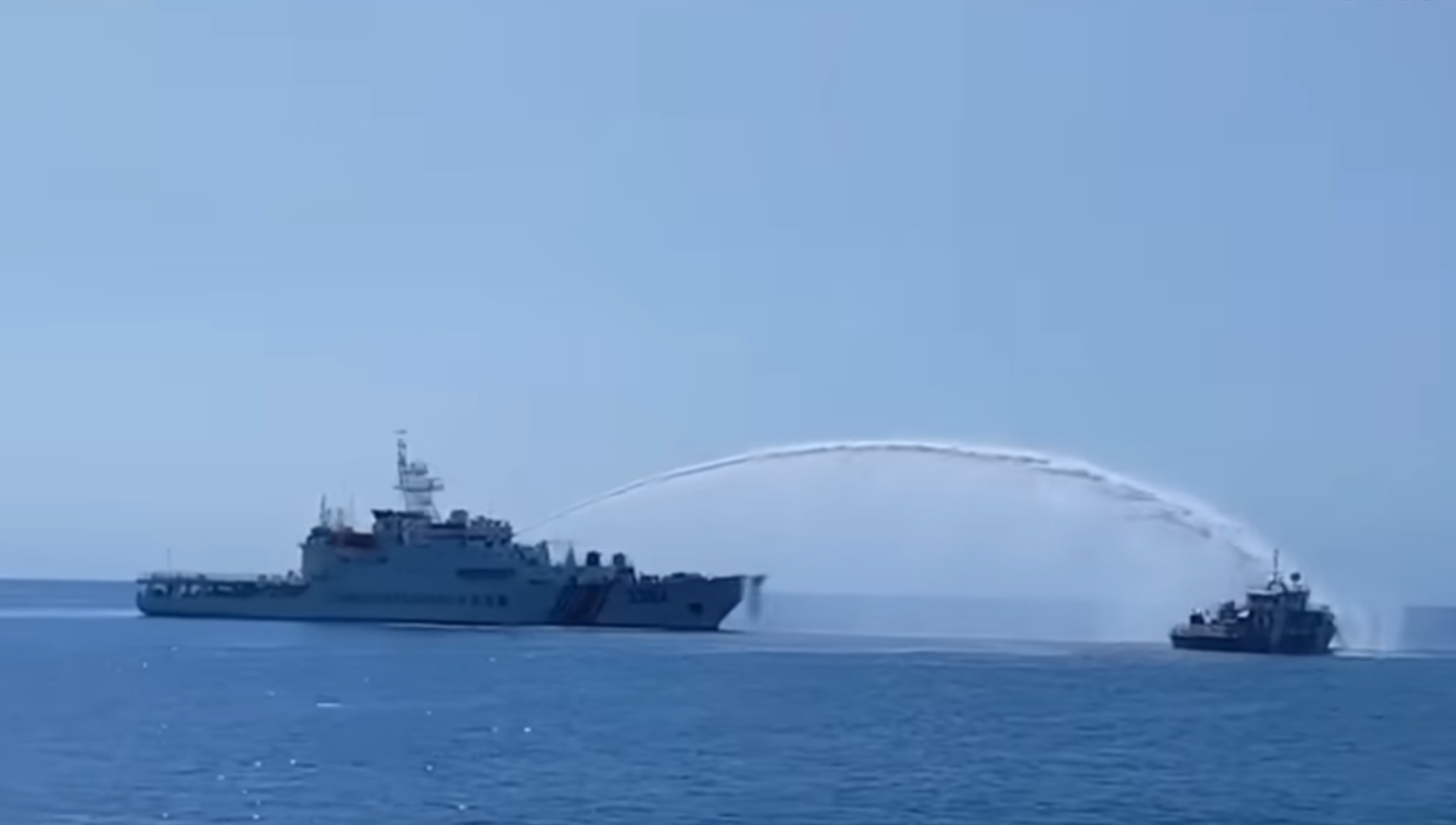
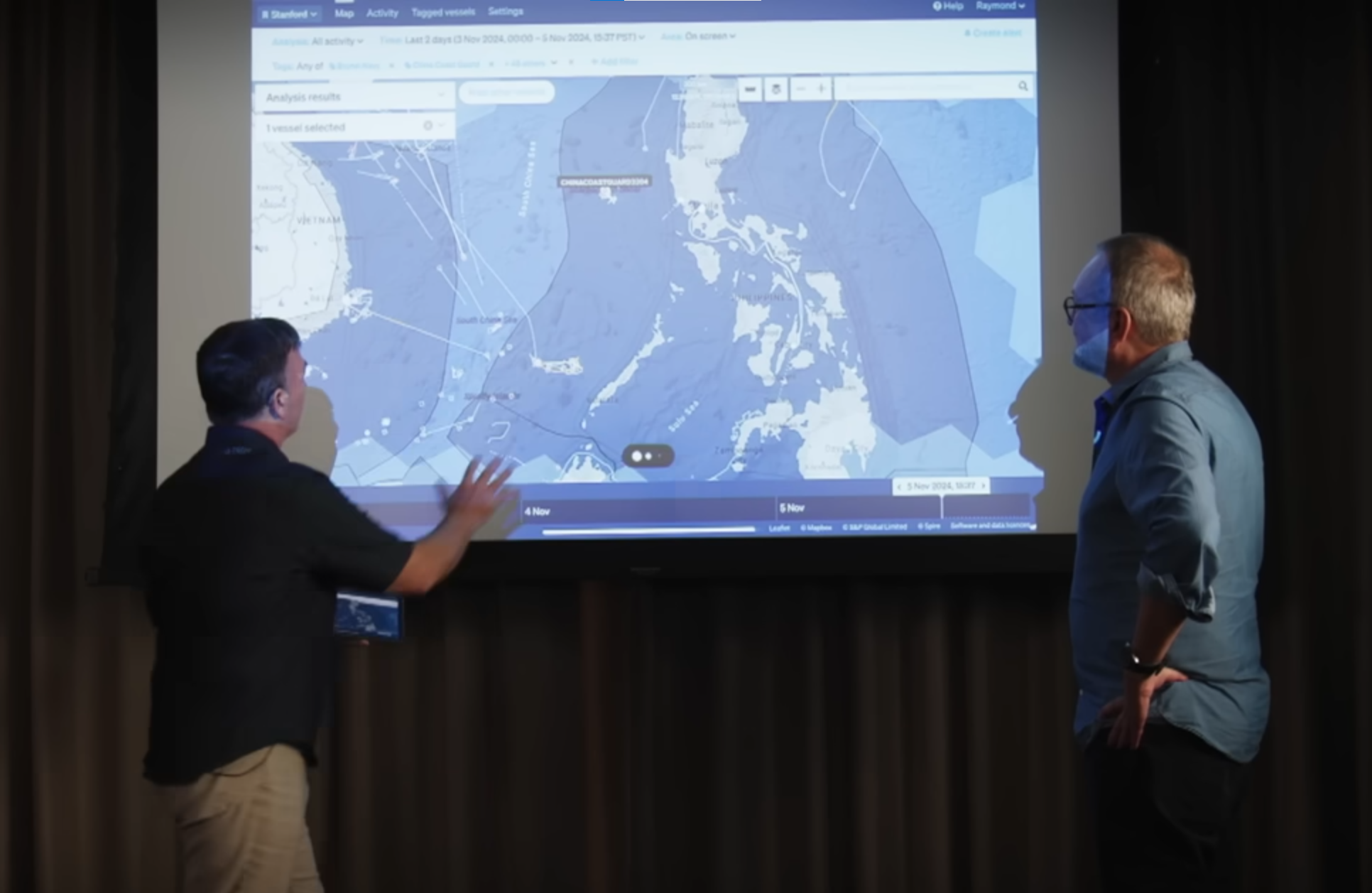
- 격화되는 현장 충돌: 최근 중국 해경선과 필리핀 선박 간의 물대포 충돌, 해상 민병대의 위협이 상시화되면서 '말'이 아닌 '법적 구속력'이 있는 규칙의 필요성이 절실해졌습니다.
- 협상의 진전: 2002년 '남중국해 당사국 선언(DOC)' 이후 24년 만에, 매달 협상단이 만나 실질적인 문구를 조율하는 등 이례적인 속도전이 펼쳐지고 있습니다.
2. 핵심 내용과 추진 이유: '법적 구속력'이 관건
이번 협상의 핵심은 남중국해에서 각국의 활동을 규제하고 위기를 관리할 수 있는 실질적이고 법적인 힘을 갖춘 강령을 만드는 것입니다.
- 우발적 충돌 방지: 해상에서의 무력 사용 금지, 긴급 연락망(핫라인) 구축, 위험한 기동 금지 등을 구체화합니다.
- 추진 이유: 마르코스 행정부는 "중국과 전쟁을 원치 않지만, 주권은 1인치도 양보할 수 없다"는 입장입니다. 따라서 중국을 제도권 안으로 끌어들여 국제법적 틀 안에서 행동을 제약하려는 전략입니다.
- 의의: 만약 연내 타결된다면, 이는 아세안이 강대국의 틈바구니에서 자율적인 질서를 구축해낸 역사적 성과로 기록될 것입니다.
3. 주변국 및 미·중의 반응: "동상이몽"
① 중국: "우리 방식대로, 하지만 서두르자"
중국은 2026년이 중국-아세안 대화 관계 35주년임을 강조하며 협상에 우호적인 태도를 보이고 있습니다. 하지만 "역외 세력(미국 등)의 개입 배제"를 조건으로 내걸며, COC를 통해 미국의 영향력을 차단하려는 속내를 비치고 있습니다.

② 미국: "규칙 기반의 질서라면 환영, 하지만..."
미국은 "자유롭고 개방된 인도·태평양"을 지지하며 COC 협상을 원칙적으로 찬성합니다. 그러나 COC가 중국에 유리하게 작성되어 항해의 자유를 제한하거나, 필리핀-미국 상호방위조약을 약화시키는 독소 조항이 포함될까 예의주시하고 있습니다.
③ 아세안 회원국: "단결과 우려 사이"
베트남, 인도네시아 등 영유권 당사국들은 필리핀의 추진력을 지지하면서도, 중국의 압박에 못 이겨 알맹이 없는 '맹탕 강령'이 나올까 우려하고 있습니다.
4. 앞으로 맞이하게 될 변화와 한국에 미치는 영향
COC가 연내 타결될 경우, 남중국해의 역학 구도는 대대적으로 변할 것입니다.
- 해상 긴장 완화: 우발적 충돌 가능성이 줄어들며, 필리핀 내 한국 기업들의 투자 환경과 해상 물류 경로가 안정될 수 있습니다.
- K-방산의 기회와 위기: 필리핀은 해양 수호를 위해 한국산 호위함과 전투기를 지속적으로 도입하고 있습니다. 안보 지형 변화에 따라 추가적인 방산 협력 기회가 생길 수 있지만, 일본의 공세적인 방산 수출과 경쟁해야 하는 상황도 올 수 있습니다.
- 한국의 전략적 포지셔닝: 전 세계 물동량의 3분의 1이 지나는 남중국해의 안정은 한국 경제의 생명선과 직결됩니다. 한국 역시 '규칙 기반 질서'를 지지하며 필리핀과의 안보 파트너십을 더욱 공고히 할 필요가 있습니다.
5. 결론: 필리핀의 승부수, 성공할 수 있을까?
2026년 말, 필리핀이 남중국해 행동강령이라는 거대한 결과물을 내놓을 수 있을지는 중국의 진정성과 아세안의 단결력에 달려 있습니다. 이 협상의 성패는 향후 수십 년간 아시아 태평양의 평화를 결정지을 이정표가 될 것입니다.
[Title] South China Sea Game-Changer: Can the Philippines Seal the "Code of Conduct" by Year-End? | 2026 Geopolitical Analysis
1. The Bold Ambition: Why 2026 is the "Do-or-Die" Year
In late April 2026, the Philippine Department of Foreign Affairs (DFA) sent shockwaves through the diplomatic community by announcing a push to conclude the Code of Conduct (COC) negotiations within the year. As the current ASEAN Chair, Manila is leveraging its position to transform a 24-year-old "diplomatic talk shop" into a legally binding reality.
- The Goal: To move beyond the non-binding 2002 Declaration (DOC) to a "substantive and effective" framework based on UNCLOS (United Nations Convention on the Law of the Sea).
- The Deadline: By the end of 2026, marking the 35th anniversary of China-ASEAN dialogue relations.
2. Strategic Motives: Why Manila is Pressing the Accelerator
The administration of President Ferdinand Marcos Jr. has shifted from a policy of "quiet diplomacy" to a "Transparency Initiative." The push for a year-end COC serves several critical purposes:
- Legal Shielding: A binding COC would create an international legal hurdle for China’s maritime expansion, such as the "Nine-Dash Line" (or "Ten-Dash Line") claims.
- Economic Security: Stabilizing the waters is vital for the Philippines’ offshore energy projects (oil and gas) and protecting the livelihoods of millions of Filipino fishermen.
- ASEAN Credibility: After years of internal division, the Philippines aims to prove that ASEAN can act as a unified, independent regional power rather than a pawn of superpowers.
3. The Global Reaction: A Chessboard of Conflicting Interests
| Stakeholder | Stance | Key Concern |
| China | Cautious Cooperation | Beijing wants to finish the COC to exclude "outside powers" (the US), but rejects any enforcement mechanisms that limit its naval reach. |
| United States | Conditional Support | Supports the COC if it upholds Freedom of Navigation and follows international law; fears it may become a "China-centric" tool. |
| ASEAN Neighbors | Cautious Optimism | Vietnam and Indonesia support Manila's push but worry a "rushed" agreement might result in a "toothless" document without legal teeth. |
4. Major Challenges: The "Devil in the Details"
Despite the optimism, three massive "icebergs" remain in the path of the negotiations:
- Legal Status: Will the COC be "legally binding"? China has historically resisted a document that could be used against it in international courts.
- Geographic Scope: Exactly which waters are covered? Disputes remain over whether the Paracel Islands and the Spratlys are fully included.
- Third-Party Involvement: Beijing insists that military exercises with "outside powers" (like the US-Philippine Balikatan 2026) should be restricted under the code—a "red line" for Manila.
5. Future Outlook: What Happens After the Deal?
If a deal is reached by the end of 2026, we could see a historic shift in the Indo-Pacific:
- De-escalation of Conflict: A decrease in "water cannon" incidents and dangerous maneuvers between coast guards.
- Economic Boom: Renewed confidence for international investors in Southeast Asian maritime trade routes.
- A New Regional Order: The Philippines would emerge as a premier diplomatic mediator, balancing its US security alliance with a working relationship with China.
6. Conclusion: A New Era for Maritime Law
The Philippines’ push for a year-end COC is more than just a diplomatic milestone; it is a fight for the rules-based international order. While the hurdles are high, the cost of failure—potential military conflict—is far higher. The world’s eyes are on Manila as they navigate these treacherous waters.


