1. 2026년 5월 4일 실시간 지진 상황 및 피해 현황
오늘(5월 4일) 오후 2시 9분(현지 시간), 필리핀 동부 사마르섬 보롱간(Borongan) 인근 해역에서 규모 6.0의 강진이 발생했습니다.
- 진앙지: 필리핀 파날라노이(Panalanoy)에서 북동쪽으로 약 71~75km 떨어진 해역 (북위 11.9도, 동경 125.5도 인근)
- 발생 깊이: 약 33~56km (비교적 얕은 지점)
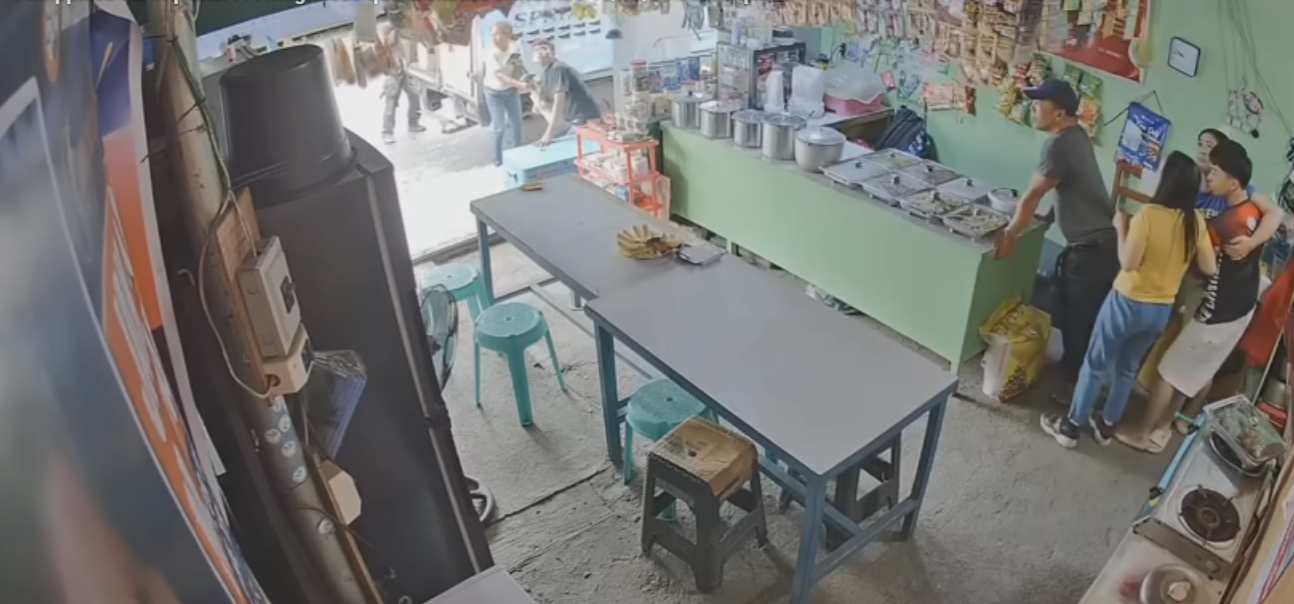
- 진동 감지: 진앙과 가까운 보롱간과 술랏(Sulat) 지역에서는 강력한 흔들림이 감지되었으며, 타클로반(Tacloban)과 파날라노이 시내에서도 건물이 흔들리는 가벼운 진동이 보고되었습니다.
- 피해 상황: 현재까지 대규모 인명 피해나 쓰나미 경보는 보고되지 않았으나, 필리핀 지진화산연구소(PHIVOLCS)는 여진에 의한 추가 피해와 일부 노후 건물의 균열 가능성을 경고하며 예의주시하고 있습니다.
2. '불의 고리' 필리핀: 지진과 화산 폭발의 흑역사
필리핀은 유라시아 판과 필리핀해 판이 만나는 접점에 위치하여 세계에서 지각 활동이 가장 활발한 지역 중 하나입니다.
① 역사상 최악의 지진 사건
- 1976년 모로만 지진 (규모 8.0): 필리핀 역사상 가장 치명적인 지진으로, 거대 쓰나미를 동반해 약 8,000명 이상의 사상자를 냈습니다.
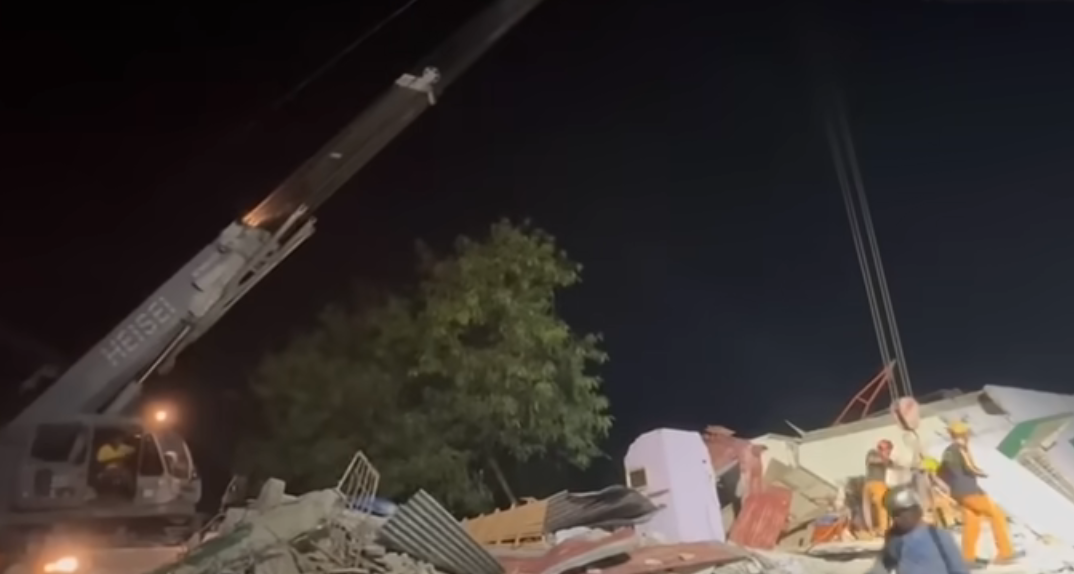
- 1990년 루손 대지진 (규모 7.8): 바기오와 카바나투안 지역을 강타하여 1,600명 이상이 사망하고 수많은 기반 시설이 파괴되었습니다.
② 전 세계를 뒤흔든 화산 폭발
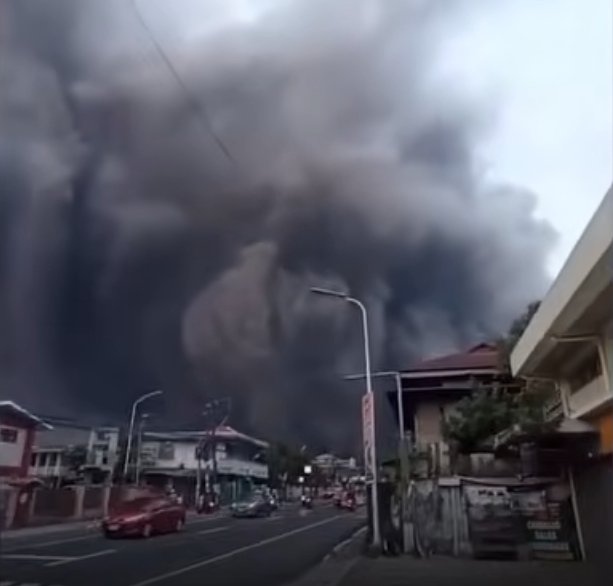
- 1991년 피나투보 화산 폭발: 20세기 두 번째로 큰 화산 폭발로 기록되었습니다. 분출된 화산재가 지구 성층권까지 도달해 지구 평균 기온을 0.5도 낮출 정도로 엄청난 위력이었으며, 주변 도시가 잿더미로 변했습니다.
- 마욘 화산 & 타알 화산: 필리핀에서 가장 활발한 활화산들로, 최근 2024년과 2025년에도 소규모 분화와 가스 배출이 지속되어 인근 주민들이 대피하는 소동이 잦았습니다.
3. 필리핀 정부의 대응 체계
필리핀 정부는 국가재난위험관리위원회(NDRRMC)를 중심으로 지진 대응 매뉴얼을 가동하고 있습니다.
- 실시간 모니터링: PHIVOLCS를 통해 24시간 지각 변동을 감시하며 모바일 앱과 SNS를 통해 긴급 재난 문자를 발송합니다.
- 내진 설계 강화: 과거의 참사를 교훈 삼아 주요 도시 건물의 내진 설계를 의무화하고, 분기별로 전국적인 '지진 대피 훈련(Shake Drill)'을 실시하고 있습니다.
4. 여행객 및 거주자를 위한 안전 대책 (필독!)
지진은 예고 없이 찾아옵니다. 필리핀 여행 중이거나 계획 중이라면 다음 수칙을 반드시 숙지하세요.
- 실내에 있을 때: 'Drop, Cover, and Hold on' 수칙을 지키세요. 튼튼한 탁자 아래로 들어가 몸을 보호하고 탁자 다리를 꽉 잡으세요. 유리창이나 떨어질 위험이 있는 가구로부터 멀어지세요.
- 실외에 있을 때: 낙하물(간판, 유리창)이 없는 넓은 공터로 이동하세요. 전신주나 담장 근처는 매우 위험합니다.
- 해안가에 있을 때: 강한 진동이 20초 이상 지속된다면 쓰나미 위험이 있으므로 즉시 높은 지대로 대피하세요.
- 준비물(Go-Bag): 비상식량, 식수, 손전등, 보조 배터리, 상비약, 여권 사본 등을 담은 배낭을 손에 잘 닿는 곳에 두세요.
5. 결론: 불안보다는 '준비'가 필요한 시점
이번 6.0 지진은 필리핀이 살아있는 지구의 역동적인 현장임을 다시 한번 상기시켜 주었습니다. 지진 자체를 막을 수는 없지만, 정확한 정보를 확인하고 대피 요령을 숙지한다면 피해를 최소화할 수 있습니다. 필리핀을 여행 중인 분들은 현지 당국의 발표에 귀를 기울이시고 안전한 여정을 이어가시기 바랍니다.
[Title] Magnitude 6.0 Earthquake Hits Near Panalanoy, Philippines: Safety Alerts, Historical "Ring of Fire" Impact, and Essential Travel Guide
1. Real-Time Status: The May 4, 2026, Samar Earthquake
At approximately 2:09 PM (PST) on May 4, 2026, a strong magnitude 6.0 earthquake struck the offshore region of Eastern Samar, Philippines.
- Epicenter: Located approximately 71-75 km northeast of Panalanoy (Borongan, Eastern Samar).
- Depth: Reported at a shallow depth of 33-56 km.
- Intensity: Strong shaking was felt in Borongan and Sulat, with moderate tremors reported in Tacloban City and surrounding areas.
- Current Damage: As of now, there are no immediate reports of major casualties or a tsunami threat. However, PHIVOLCS (Philippine Institute of Volcanology and Seismology) has warned of potential aftershocks and advised residents to inspect fragile structures for cracks.
2. The Philippines in the "Ring of Fire": A History of Power
The Philippines sits atop the intersection of the Eurasian and Philippine Sea plates, making it one of the most seismically active nations in the world.
① Historic Earthquakes: Reminders of Nature’s Might
- 1976 Moro Gulf Earthquake (Mag 8.0): The deadliest in Philippine history, causing a massive tsunami that claimed over 8,000 lives.
- 1990 Luzon Earthquake (Mag 7.8): Devastated Baguio and Cabanatuan, leading to over 1,600 fatalities and massive infrastructure failure.
② Volcanic Eruptions That Changed the World
- 1991 Mount Pinatubo: The second-largest volcanic eruption of the 20th century. It ejected so much ash that global temperatures dropped by $0.5^{\circ}C$ for over a year.
- Mayon and Taal Volcanoes: Known for their "perfect cone" and "lake within a lake" beauty, these remain highly active, with significant unrest recorded as recently as 2024 and 2025.
3. Government Response & Infrastructure
The Philippine government manages disasters through the NDRRMC (National Disaster Risk Reduction and Management Council).
- Real-Time Monitoring: PHIVOLCS provides 24/7 monitoring and issues instant alerts via mobile apps and SMS.
- Nationwide Drills: The "Shake Drill" is conducted quarterly to ensure citizens and businesses are prepared for the "Big One"—a theoretical Mag 7.2 earthquake on the West Valley Fault.
4. Safety Guide for Travelers and Residents
In the Philippines, an earthquake can happen at any moment. Follow these essential protocols:
- Indoors: Practice "Drop, Cover, and Hold on." Get under a sturdy table, protect your head, and stay away from glass windows or heavy cabinets.
- Outdoors: Move to a clear, open area. Stay away from power lines, billboards, and old stone walls.
- Near the Coast: If you feel a shake lasting longer than 20 seconds, move to high ground immediately. Do not wait for an official tsunami siren.
- Emergency "Go-Bag": Always keep a backpack ready with water, non-perishable food, a flashlight, a power bank, first-aid supplies, and copies of your passport/ID.
5. Conclusion: Preparedness Over Panic
The Mag 6.0 tremor on May 4 serves as a reminder that the Earth beneath the Philippines is alive and dynamic. While we cannot prevent earthquakes, we can minimize their impact through awareness and preparation. If you are currently traveling in the Philippines, stay tuned to official PHIVOLCS updates and follow local safety instructions.


