1. 서론: 멀고도 가까운 전쟁, 필리핀을 정조준하다( Introduction: A Distant War with Local Casualties)
2026년 초 발발한 이란과 이스라엘의 군사적 충돌이 해결의 실마리를 찾지 못한 채 장기화 국면에 접어들었습니다. 지리적으로는 멀리 떨어진 중동의 화약고가 터졌지만, 그 파편은 필리핀의 주방과 주유소로 고스란히 날아오고 있습니다.
단순한 외교적 우려를 넘어, 이제는 필리핀 서민들이 매일 마주하는 '지프니(Jeepney)' 요금과 '쌀(Rice)' 가격이 전쟁의 향방에 따라 요동치고 있습니다. 과연 이번 전쟁의 장기화가 필리핀 경제의 뿌리를 어떻게 흔들고 있는지, 그리고 마르코스 정부는 어떤 '비상 플랜'을 가동 중인지 심도 있게 파헤쳐 보겠습니다.
The military confrontation between Iran and Israel, which began in early 2026, has defied all hopes for a quick resolution. As the conflict settles into a grueling war of attrition, the ripples are being felt far beyond the Persian Gulf. For the Philippines, a nation tied to the Middle East by energy dependence and millions of overseas workers, this war is no longer a "foreign affair"—it is a direct threat to the kitchen tables of every Filipino household.
From the surging cost of a Jeepney ride to the price of a kilo of rice, the "Manila cost of living" is now being dictated by the security of the Strait of Hormuz. In this deep dive, we analyze the long-term socioeconomic impacts of a prolonged Iran war on the Philippines and evaluate the emergency measures being deployed by the Marcos administration.
2. 서민 경제의 직격탄: 유가 폭등과 '도미노' 물가 인상( The Struggle of the Masses: The Domino Effect of Oil Hikes)
필리핀 경제 구조상 에너지 수입 의존도는 치명적인 약점입니다. 호르무즈 해협의 긴장이 고조될 때마다 필리핀 서민의 지갑은 얇아집니다.
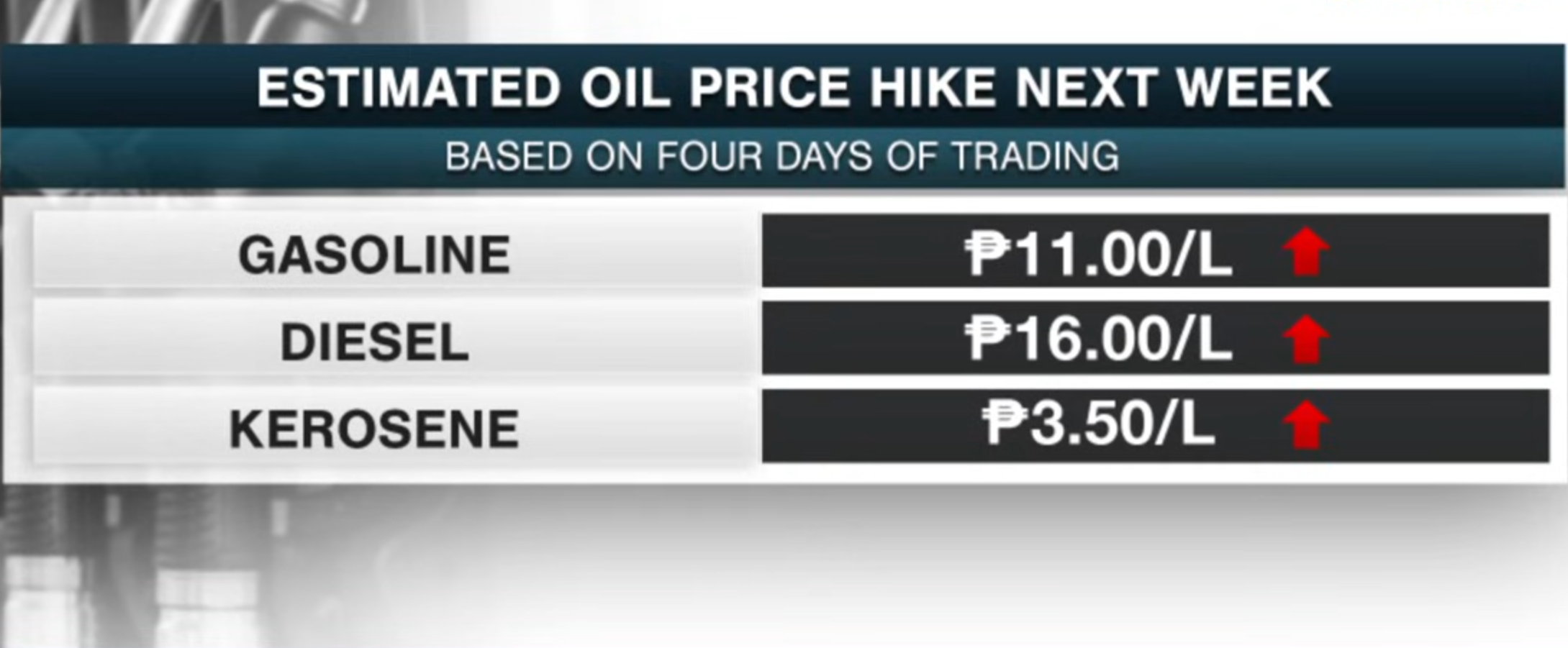
- 교통비의 공포: 2026년 3월 현재, 마닐라 시내 디젤 가격은 리터당 90페소를 돌파했습니다. 이로 인해 서민들의 발인 지프니 기본요금 인상이 불가피해졌으며, 이는 곧 노동자들의 실질 소득 감소로 이어지고 있습니다.
- 식탁 물가 비상: 유가는 단순히 기름값에 그치지 않습니다. 농기계 가동 비용과 물류비 상승은 필리핀의 주식인 쌀과 채소 가격을 전년 대비 25% 이상 끌어올렸습니다. 특히 저소득층에게 물가 상승률 8.5%는 생존의 위협과 다름없습니다.
- 전기료 인상 압박: 천연가스와 유류 발전 비중이 높은 필리핀 전력 구조상, 다가오는 여름철 전기료 폭탄은 서민과 중소상공인들에게 가장 큰 공포로 다가오고 있습니다.
In the Philippines, oil is the lifeblood of the economy. When global crude prices remain elevated due to prolonged conflict, the "common man" (the masa) bears the heaviest burden.
- Transportation Crisis: As of March 2026, diesel prices in Metro Manila have breached the P90 per liter mark. This has forced transport cooperatives to hike fares, directly reducing the take-home pay of millions of daily wage earners who rely on public utility vehicles (PUVs).
- The Surge in Food Inflation: Oil isn't just for cars; it powers the tractors and the logistics chains that bring food to the markets. Food inflation has hit an alarming 8.5%, with staples like rice and vegetables seeing a 25% year-on-year increase. For a family living on the minimum wage, this is a choice between nutrition and utilities.
- The Looming Electricity Bill: With the summer heat approaching, the Philippines’ reliance on fuel-fired power plants means electricity rates are expected to hit record highs. Small and medium enterprises (SMEs) are already reporting "utility distress," leading to fears of localized business closures.

3. 필리핀 경제의 거시적 위기: 페소화 가치와 투자 위축( Macroeconomic Fragility: The "Peso 60" Era)
전쟁 장기화는 필리핀 금융 시장에도 어두운 그림자를 드리우고 있습니다.
- 페소화 약세 (P60 시대의 도래): 달러 강세와 에너지 수입 대금 수요 폭증으로 인해 페소화 가치는 역대 최저 수준을 경신하고 있습니다. 이는 수입 물가를 다시 자극하는 악순환(Imported Inflation)을 초래합니다.
- 외국인 투자 자금 유출: 지정학적 불안정성이 커지면서 클락(Clark)이나 세부(Cebu) 등 주요 경제특구에 계획되었던 외국인 직접 투자(FDI)가 보류되거나 취소되는 사례가 늘고 있습니다.
- 금리 인상 소용돌이: 필리핀 중앙은행(BSP)은 물가를 잡기 위해 기준금리 인상 카드를 만지작거리고 있지만, 이는 대출 비중이 높은 서민들과 부동산 시장에 치명적인 타격이 될 수 있습니다.
The prolonged nature of the war is creating a structural shift in the Philippine financial landscape.
- The Plunging Peso: The surge in dollar demand—needed to pay for expensive oil imports—has pushed the Philippine Peso to a historic low, threatening to stay above P60 to the USD. This "Imported Inflation" makes every imported good more expensive, creating a vicious cycle of poverty.
- Capital Flight and FDI Delays: Geopolitical uncertainty is causing foreign investors to hit the "pause" button. Planned expansions in the Clark Freeport Zone and Cebu IT Park are being delayed as global capital seeks safer, less energy-dependent havens.
- Interest Rate Hikes: The Bangko Sentral ng Pilipinas (BSP) is under immense pressure to raise interest rates to defend the currency. While this may curb inflation, it increases the debt burden on middle-class families with mortgages and car loans.

4. 필리핀 정부의 긴급 대책: '방어막'은 작동하고 있는가?( Government Countermeasures: Is the "Defense Shield" Working?)
마르코스 주니어 정부는 민심 이반을 막기 위해 가용한 모든 행정력을 동원하고 있습니다.
- 정부 주도 4일 근무제(4-Day Work Week): 공공 부문을 중심으로 이동 거리를 줄여 에너지 소비를 감축하려는 고육지책이 시행 중입니다. 민간 기업에도 재택근무 확대를 강력히 권고하고 있습니다.
- 유류 보조금(Pantawid Pasada) 증액: 지프니와 트라이시클 운전사들을 위한 유류 카드 지원 범위를 대폭 확대하여 대중교통 요금의 급격한 인상을 억제하고 있습니다.
- 에너지 믹스 가속화: 전쟁 장기화에 대비해 태양광, 풍력 등 신재생 에너지로의 전환 속도를 높이고, 인근 국가와의 에너지 협력을 강화하는 장기 전략을 추진 중입니다.
- 식량 안보 특별위원회 가동: 쌀 수입선을 다변화하고 농민들에게 직접적인 비료 및 연료 보조금을 지급하여 국내 식량 자급률을 높이는 데 총력을 기울이고 있습니다.
The administration of President Ferdinand Marcos Jr. has pivoted to a "War-Footing" economic policy to prevent widespread civil unrest.
- Mandatory 4-Day Work Week: The public sector has shifted to a compressed work week to reduce nationwide fuel consumption. The government is strongly encouraging the private sector, particularly the BPO industry, to maximize remote work.
- Fuel Subsidy (Pantawid Pasada) Expansion: The government has doubled the budget for fuel vouchers for Jeepney and Tricycle drivers, attempting to artificially cap fare increases.
- Energy Mix Acceleration: The crisis has forced a faster transition toward renewable energy. The Department of Energy is fast-tracking solar and wind projects to reduce long-term dependence on Middle Eastern crude.
- Food Security Task Force: By diversifying rice import sources and providing direct fuel/fertilizer subsidies to local farmers, the government aims to insulate the national diet from global market shocks.
5. 향후 전망: 2026년 하반기, 위기인가 기회인가?( The Outlook for H2 2026: Crisis or Catalyst?)
이란 전쟁의 장기화는 필리핀에게 결코 녹록지 않은 하반기를 예고합니다.
- L자형 침체 우려: 전쟁이 소강상태에 접어들지 않는다면 필리핀 경제는 한동안 저성장-고물가의 '스태그플레이션' 늪에서 빠져나오기 어려울 것입니다.
- 정치적 변수: 2026년 중간선거를 앞두고 물가 통제 실패는 현 정권에 커다란 정치적 부담으로 작용할 것이며, 이는 포퓰리즘 정책 남발로 이어질 위험도 존재합니다.
- BPO 산업의 회복력: 불행 중 다행으로, 글로벌 기업들이 비용 절감을 위해 필리핀 BPO(아웃소싱) 비중을 늘릴 가능성이 있어, 이 분야가 경제의 최후 보루 역할을 할 것으로 기대됩니다.
The remainder of 2026 will be a litmus test for the resilience of the Philippine Republic.
- The Threat of Stagflation: If the war continues through the end of the year, the Philippines faces the grim prospect of "Stagflation"—low growth combined with high inflation.
- Political Pressure: With the 2026 midterms looming, the administration’s survival depends on its ability to keep the price of rice stable. Failure to do so could lead to a shift in the political landscape.
- The BPO Silver Lining: Paradoxically, as global companies seek to cut costs during a global downturn, the Philippine BPO sector may see an uptick in demand, acting as the ultimate economic stabilizer for the country.